Turn your passion into profit! Discover 9 hobbies that can make you money, from crafting to gaming. Learn how to start today and grow your hobby into a business.
Make Local for Global
Table of content
Introduction: Monetising Your Passion
Imagine getting paid for doing what you love! Well, that’s not just a dream anymore—it’s an exciting reality for many. People are now turning their hobbies into side hustles or full-blown businesses, earning money from things they once did just for fun.
The digital age has made it so much easier for anyone, anywhere, to take what they enjoy doing in their spare time and turn it into a profitable venture.
Whether it’s photography, writing, or even gardening, there’s a market for every hobby. From selling products to offering services, the possibilities are endless. But it’s not just about the money—it’s about loving what you do.
Making money from a hobby means you’re constantly motivated, inspired, and, most importantly, you’re enjoying the journey.
Now, before we dive in, let’s explore why it’s never been easier to make money from your hobbies.
Why Now Is the Perfect Time to Monetise a Hobby
The internet is the game-changer here. With the rise of e-commerce platforms, social media, and remote work, the barriers to starting a business from home have crumbled.
You don’t need an office, a huge budget, or even employees to get started.
Many people launch their ventures from their living rooms, working flexible hours that suit them.
We live in a time where monetising hobbies is encouraged.
There’s demand for personalised, authentic products and services, which hobbyists excel at creating. Plus, technology makes it easier than ever to reach global audiences, manage your business, and even accept payments online.
The question isn’t “Can I make money from my hobby?” but rather “How much can I make?”
1. Photography: Capturing Moments for Cash
Photography is one of the most visually rewarding hobbies out there, and it can also be a fantastic way to make money.
If you’re someone who enjoys capturing beautiful moments, landscapes, or even the everyday charm of life, turning your passion for photography into a profitable venture can be a breeze.
All you need is a decent camera (even a good smartphone camera can work these days), some creativity, and a little bit of business savvy.
Turning Photography into a Profitable Venture
For many, photography begins as a way to document personal memories or create stunning visuals for social media. But with the right approach, it can evolve into a money-making business. Here are a few ways to get started:
Freelance Photography: This is perhaps the most common way to earn money as a photographer. Whether it’s capturing weddings, family portraits, or events, freelance photography offers a lot of opportunities to make cash while doing something you love. Start by offering your services to friends and family and build a portfolio. From there, you can begin promoting yourself through word of mouth and social media.
Stock Photography: If you’re more into taking photos of nature, cityscapes, or abstract shots, you can sell them as stock photos. Websites like Shutterstock, Adobe Stock, and iStock allow photographers to upload and sell their images. It’s passive income at its best—once your photos are online, they can be purchased over and over again!
Selling Stock Photos Online: Platforms and Tips
Selling stock photos is an excellent way to make passive income. The concept is simple: you upload high-quality photos to stock photography websites, and every time someone downloads or purchases one of your images, you earn money. Here’s how to get started:
Sign up for popular stock photo platforms like Shutterstock, Adobe Stock, or Alamy.
Upload high-quality, niche-specific photos. Images that are crisp, clean, and have broad appeal are more likely to sell. Think about photos that might be used in blog posts, advertisements, or social media campaigns.
Be consistent. Like any business, stock photography requires dedication. The more you upload, the more chances you’ll have for sales. Set a schedule to shoot and upload regularly.
Some hot tips:
Keep an eye on trends. Seasonal and trendy topics tend to sell well, such as holiday-themed photos or images related to current events.
Use good metadata. Properly tagging your photos with relevant keywords will make them easier to find by potential buyers.
Freelance Photography: Events, Portraits, and Product Shoots
Freelance photography opens the door to a range of money-making opportunities. Event photography, such as weddings and birthdays, tends to be high-paying and in demand. Portrait photography, especially for families, couples, or corporate headshots, is another steady source of income. Additionally, businesses often require product photography for marketing materials or e-commerce sites, making this a lucrative niche as well.
Weddings and Events: These gigs often pay the most, but they also require skill and the ability to handle high-pressure situations. Building a portfolio with smaller, less demanding events is a great way to work your way up to the bigger, high-paying jobs.
Portrait Photography: Reach out to local businesses, families, or even influencers who may need professional shots for their social media pages or websites.
Product Photography: If you enjoy more controlled, indoor shoots, product photography could be your sweet spot. Many businesses require high-quality images of their products for online stores or marketing campaigns, and you could provide that service.
Upskilling with Equipment and Editing Software
The gear you use plays a big role in your photography business, but you don’t need to start with the most expensive equipment. A mid-range DSLR camera can be perfect for beginners, and you can always upgrade as your business grows.
Additionally, editing is an essential skill. You can transform a good photo into a stunning image with software like Adobe Lightroom or Photoshop. Don’t worry if you’re a newbie—there are tons of free tutorials online to help you master these programs.
Start with basic gear and gradually upgrade as your skills and income improve.
Learn editing software like Photoshop, Lightroom, or even free tools like GIMP to enhance your photos.
Take online courses or watch YouTube tutorials to improve your skills both behind the camera and in post-production.
2. Writing: Penning Your Way to Profit
If you’ve always had a way with words, writing can be your golden ticket to making money from home. Whether you’re crafting engaging blog posts, creating compelling copy, or dreaming up fictional worlds, there are many ways to monetise your writing hobby.
Freelance Writing: Blogging, Copywriting, and Ghostwriting
Freelance writing is incredibly versatile. You can write for blogs, businesses, or even take on ghostwriting projects. The demand for quality written content has only increased, thanks to the explosion of online businesses and blogs.
Blogging: Writing for blogs can pay well, especially if you focus on high-paying niches such as personal finance, health, or technology.
Copywriting: Many businesses are in constant need of fresh marketing content for their websites, social media, and advertisements.
Ghostwriting: Some people have great ideas but lack the time or skill to write. That’s where ghostwriters come in, and this can be quite lucrative.
Self-Publishing Your Stories or Books Online
If fiction is more your style, self-publishing could be a fantastic way to get your work out there—and get paid for it.
Platforms like Amazon Kindle Direct Publishing (KDP) allow you to upload your manuscript and sell your book to readers all over the world.
Short stories or novels: You can write and publish your own stories, controlling every aspect of your work.
Ebooks: Self-published ebooks are becoming a popular way to make money. Once uploaded, you can promote them through social media, blogging, or even email marketing.
Building a fan base: Use platforms like Wattpad or Medium to share your work, grow your audience, and drive sales when you’re ready to launch a book.
Writing for Content Mills vs. Building a Freelance Portfolio
Writing for content mills (websites that pay writers a small amount for high-volume work) is a controversial topic.
While they can be a good way to start building your writing resume, they’re not sustainable in the long term for most. Instead, focus on building a solid portfolio by taking on higher-quality freelance gigs.
Pros of content mills: They can be a quick way to get started and learn about different writing styles.
Cons: The pay is typically low, and the work can be repetitive.
Focus on quality: Build a strong portfolio with high-paying clients to ensure you’re earning what your time and skills are worth.
The Power of SEO and Niche Content Creation
Understanding SEO (Search Engine Optimisation) can give your writing business a major boost. SEO-friendly content helps websites rank higher on search engines like Google, making it a highly sought-after skill in the writing world.
Learn SEO basics: Include relevant keywords, create well-structured content, and keep readability in mind.
Focus on a niche: By specialising in a particular topic, you’ll become an expert, and clients will be more willing to pay a premium for your services.
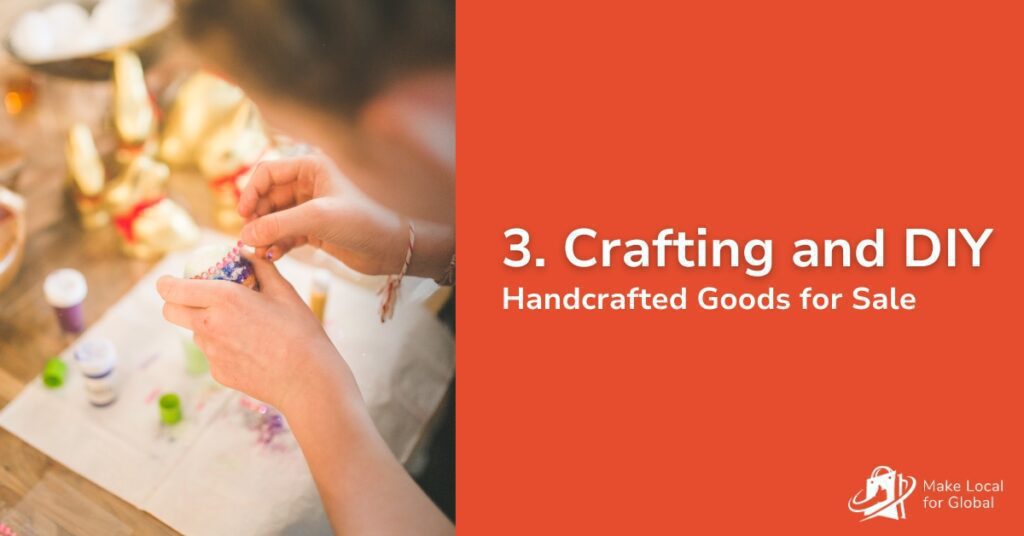
3. Crafting and DIY: Handcrafted Goods for Sale
For those who love working with their hands, crafting and DIY projects can be incredibly fulfilling. But did you know they can also be a source of income?
Whether it’s creating beautiful jewellery, handmade candles, or decorative home items, there’s a growing demand for unique, handcrafted products.
People crave authenticity, and your DIY creations can meet that demand. Let’s explore how you can turn your creative talents into a money-making venture.
Platforms Like Etsy: How to Sell Handmade Goods
If you’re crafty and want to make money from your creations, you’ve likely heard of Etsy. It’s the go-to marketplace for handmade, vintage, and unique items. Whether you’re making jewellery, home décor, or personalised gifts, Etsy allows you to reach customers who are specifically looking for what you’re offering.
Getting Started: Opening an Etsy shop is simple and relatively inexpensive. The platform charges a small listing fee (about £0.16 per item) and takes a small percentage of each sale, but in return, it offers access to a massive global audience.
Creating a Shop: Think of your Etsy shop as a small boutique. Make sure it reflects your brand by using appealing shop banners, clear product descriptions, and professional-looking photos.
What to Sell: You can sell nearly anything handmade on Etsy. Popular categories include:
Jewellery
Clothing
Home décor items like candles or wall art
Personalised gifts
Digital printables (calendars, planners, etc.)
Other online platforms to consider for selling your crafts include Folksy (UK-based) or even setting up your own website with an e-commerce solution. If you’d like help with that, Make Local for Global is an excellent service to assist you with branding, web design, and selling online.
Crafting Ideas: Jewellery, Candles, Home Décor, and More
Wondering what kinds of crafts sell the best? Let’s look at some of the most popular DIY products that are making hobbyists serious money:
Jewellery: Handmade jewellery is one of the top-selling items in the crafting world. Whether it’s beaded bracelets, minimalist rings, or statement necklaces, jewellery appeals to a wide range of customers. The beauty of this craft is that it doesn’t require a lot of space or expensive materials to start. A small set of tools and some creativity can go a long way.
Candles: Candles are incredibly popular, and they’re surprisingly easy to make at home. By offering unique scents, colours, or decorative designs, you can set your products apart from store-bought options. There’s also a growing market for eco-friendly candles made from soy or beeswax.
Home Décor: Items like wall hangings, throw pillows, or custom picture frames are always in demand. People love to decorate their homes with unique, handcrafted items that reflect their personality. Consider incorporating sustainable or upcycled materials, as environmentally conscious products are becoming more sought after.
Knitting or Crocheting: Handmade scarves, blankets, and even cute toys made from yarn are popular items that people love to buy as gifts or for personal use. This hobby requires little more than some yarn and needles to get started.
Take a moment to explore what you enjoy creating the most. The products that give you joy to make are often the ones that sell best because your passion will shine through in the final result.
Pricing Your Crafts for Profit and Managing Supplies
One of the trickiest parts of selling your crafts is figuring out how much to charge. Price too low, and you might not make a profit. Price too high, and you risk scaring off potential customers. The key is to find a sweet spot where you’re covering your costs, making a profit, and staying competitive.
Here are a few steps to help you price your items:
Calculate Costs: Include all expenses, such as the cost of materials, tools, and even packaging. Don’t forget to factor in shipping costs if you’re selling online.
Time Is Money: Your time is valuable, so make sure to include the time it takes you to create each item. Many crafters forget this step and end up underpricing their products.
Look at Competitors: Check out similar items on platforms like Etsy to see what others are charging. Make sure your pricing reflects the quality and uniqueness of your work.
Factor in Platform Fees: If you’re selling on a site like Etsy, remember that the platform will take a small percentage of each sale. You’ll need to factor this into your pricing to ensure you still make a profit.
Managing your supplies is another crucial aspect of running a successful crafting business. Keep track of what materials you need for each project and buy in bulk when possible to save money. Use spreadsheets or online tools to track your inventory so you’re never caught off guard by low supplies.
Marketing Your Crafts Through Social Media and Fairs
Once you’ve got your products ready, it’s time to market them. Thankfully, the digital age makes it easier than ever to get your crafts in front of potential customers.
Social Media: Platforms like Instagram and Pinterest are perfect for showcasing your handmade items. Post high-quality photos of your products, share behind-the-scenes stories of your creative process, and engage with your audience by responding to comments and messages. You can even use Instagram Shopping to allow users to buy directly from your posts.
Craft Fairs and Markets: If you prefer face-to-face selling, craft fairs and markets are an excellent way to meet potential customers and showcase your products in person. Many cities hold regular markets where crafters can rent stalls for the day. The added bonus is that you’ll be able to get real-time feedback from customers and gain inspiration from other vendors.
Here’s a tip: when selling in person, having a unique display can really make your booth stand out. Invest in professional-looking signage, and consider creative ways to showcase your items—such as placing jewellery on a decorative tree or using fairy lights to add warmth to your display.
If marketing feels overwhelming, services like Make Local for Global offer guidance on setting up your business for global success, from building an online presence to designing professional-looking branding materials.
Crafting and DIY hobbies are not only a fun and creative outlet but also a legitimate way to make money. From setting up an online shop to attending local markets, the opportunities are endless. Whether you’re sewing, knitting, making jewellery, or even candle-making, there’s always a way to turn your hobby into a profitable side business or full-time gig.
4. Cooking and Baking: Feeding Your Wallet
If you love spending time in the kitchen, experimenting with flavours, and creating delicious treats, then why not turn that passion into profit?
The food industry is always in demand, and whether you’re into baking cakes or preparing wholesome meals, there are plenty of ways to monetise your culinary skills. The best part? You can start from your very own kitchen.
Turning Your Kitchen into a Business: Catering, Meal Prep, and Baking
There are several ways to make money from cooking and baking, depending on your strengths and interests. Here are a few ideas:
Catering: Whether it’s small private events or large corporate functions, catering is a profitable venture for those who enjoy cooking on a larger scale. You can specialise in certain types of cuisine, offer themed menus, or cater to specific dietary needs (like vegan, gluten-free, or keto).
Meal Prep Services: With busy schedules becoming the norm, meal prep services have exploded in popularity. If you have a knack for creating healthy, balanced meals, you can offer weekly meal prep services where customers order meals for delivery or pick-up. This is a fantastic way to get recurring clients who rely on you for their weekly meals.
Baking: There’s always a demand for delicious baked goods! From cupcakes and birthday cakes to bread and pastries, the world of baking offers endless opportunities. Specialising in something unique, such as custom cakes or vegan pastries, can set you apart in a crowded market.
Starting small is key here. Begin by catering for friends and family, offering meal prep to neighbours, or taking orders for birthday cakes. Once word spreads, you’ll find that your side hustle quickly becomes a busy business.
Selling Homemade Food Locally and Online
Thanks to the rise of e-commerce and social media, selling homemade food has never been easier. Whether you want to cater to your local community or ship baked goods across the country, there are multiple ways to reach hungry customers.
Locally: Set up at farmer’s markets or food fairs to showcase your culinary creations. You can also partner with local cafés, bakeries, or delis that are interested in stocking unique, homemade items like your cakes, cookies, or savoury dishes.
Online: Platforms like Etsy and Facebook Marketplace allow food sellers to offer certain non-perishable items like baked goods, jams, or spices. You could also set up your own website with an e-commerce platform like Shopify, offering local delivery or nationwide shipping for products like cookies, brownies, or preserves.
Social Media: Instagram, with its visual appeal, is an excellent platform for promoting your food. Use it to showcase mouth-watering images of your creations, provide pricing, and take orders directly from your followers.
Don’t forget the power of word-of-mouth marketing—encourage your happy customers to spread the word, or offer incentives for referrals to grow your business. Platforms like Make Local for Global can also help you build your own website and expand your business from local to global.
Recipe Blogs and YouTube Channels for Monetisation
If you enjoy sharing your recipes and cooking tips, starting a recipe blog or a YouTube channel could be a great way to earn money. There’s a huge audience out there for food bloggers and vloggers, and many make a full-time income through advertising, sponsorships, and affiliate marketing.
Here’s how to get started:
Recipe Blog: Start by sharing your favourite recipes, tips, and food-related content on a blog. As your audience grows, you can monetise through Google AdSense, sponsored posts, or affiliate links (such as recommending cooking tools or ingredients you use). Offering e-books or online cooking courses can also generate income.
YouTube Channel: If you prefer to cook in front of a camera, a YouTube cooking channel might be your ideal platform. By sharing recipes, kitchen hacks, or meal prep tutorials, you can attract a large audience. YouTube channels earn money through ads, sponsored videos, and fan donations via platforms like Patreon.
Building an audience takes time, but consistency is key. Posting regularly, engaging with your followers, and creating quality content will help you grow your community—and your revenue.
Legal Considerations for Food Businesses
When selling food, it’s essential to comply with local health and safety regulations. Depending on where you live, there may be rules and permits required to operate a home-based food business. Here are a few things to consider:
Licensing and Permits: Most regions require you to have a business licence, and there may be specific permits for food-related businesses. Be sure to check with your local health department for the regulations in your area.
Kitchen Inspections: Some areas require home kitchens to meet certain standards or undergo health inspections before you can legally sell food. Make sure your kitchen is up to code with hygiene standards, equipment, and food storage regulations.
Food Labelling: If you’re selling packaged goods, you’ll likely need to follow food labelling laws that specify how to list ingredients, allergens, and expiration dates. Accurate labelling is not only a legal requirement but also builds trust with your customers.
Although the legal side can seem daunting, it’s important to protect your business and your customers. Once these basics are covered, you can focus on the fun part—cooking up a storm and feeding your community.
Turning your love for cooking and baking into a business is not only achievable but incredibly rewarding. Whether you’re whipping up cakes, prepping meals for busy professionals, or sharing your recipes online, there’s no shortage of ways to profit from your culinary skills. It’s all about finding your niche and offering a personal touch that sets you apart from the competition.
5. Graphic Design: Art That Earns
If you’ve got an eye for design and a flair for creativity, graphic design is a fantastic way to turn your artistic skills into a money-making venture. Whether you’re creating logos, branding materials, or digital art, the demand for talented graphic designers continues to grow. The best part? You can work remotely, freelance, or even sell digital products from the comfort of your home.
Freelancing in Graphic Design: Logos, Branding, and Digital Art
Freelancing in graphic design gives you the freedom to work on projects that excite you while earning money from your artistic talents. Many businesses, entrepreneurs, and even individuals are willing to pay for high-quality design work. Common freelance projects include:
Logos: Every business needs a logo, and many companies are willing to invest in something unique and professional. As a freelance designer, you can offer logo design services, catering to small businesses, startups, or even established companies looking to rebrand.
Branding: Branding goes beyond logos. It includes the entire visual identity of a company—business cards, brochures, website layouts, and more. Offering branding packages can be a lucrative way to provide clients with a complete design solution.
Digital Art: From social media graphics to website banners and promotional materials, digital art is in high demand. Companies often need visually appealing graphics for their marketing campaigns, websites, or social media profiles. As a freelance designer, you can tap into this need and offer your services.
To get started as a freelancer, you’ll need a solid portfolio. Offer discounted or free services to friends, family, or local businesses to build up your body of work. As you gain more experience and your portfolio grows, you can increase your rates and attract higher-paying clients.
Selling Design Templates and Printables
Another great way to earn money as a graphic designer is by creating and selling design templates or printables. These are digital products that people can purchase and use for their own needs—whether it’s a resume template, a wedding invitation, or a business flyer. The beauty of selling digital products is that it provides passive income—once the design is created and uploaded to an online marketplace, it can sell repeatedly with little additional effort.
Where to Sell: Platforms like Etsy and Creative Market allow designers to sell digital products. You can upload your templates or printables, set a price, and earn money every time someone purchases your design.
What to Sell: Popular digital products include:
Wedding invitations and save-the-date cards
Business cards and resumes
Planners, calendars, or journals
Social media templates for Instagram or Facebook
Wall art and posters
Selling templates or printables can be a fantastic source of passive income. Once you’ve built up a collection of designs, they can continue generating sales while you focus on new projects.
How to Market Your Graphic Design Skills to Local Businesses
Even though graphic design is often associated with the digital world, there’s still plenty of opportunity to market your skills to local businesses.
Many small businesses, particularly in local communities, need graphic design services but might not know where to look for them. By offering your design services locally, you can build long-term relationships and even become the go-to designer for several companies.
Here’s how to market your services to local businesses:
Reach Out Directly: Approach local businesses that might need design work, such as restaurants, coffee shops, or retail stores. Offer to help with their branding, signage, or menu design. A personal, face-to-face introduction can go a long way in building trust.
Network in Local Events: Attend local networking events, business meet-ups, or community fairs. You’ll meet entrepreneurs who need design services, and it’s a great way to introduce your work to potential clients.
Create Flyers or Business Cards: As a graphic designer, your business card or promotional flyer is a mini portfolio of your work. Make sure they stand out and clearly display your contact information. Leave them at local businesses or hand them out at events.
If you’re serious about expanding your reach beyond your local area, services like Make Local for Global can help you build a professional website, develop a brand, and reach clients all over the world.
Learning Design Tools and Platforms: Photoshop, Canva, Illustrator
To be successful as a graphic designer, you’ll need to be proficient in a few key design tools. While natural creativity and a good eye for aesthetics are important, mastering professional design software will take your skills to the next level. Some of the most commonly used tools in the industry include:
Photoshop: Adobe Photoshop is a must-have for graphic designers. It’s the industry standard for creating and editing images, and it’s perfect for tasks like photo editing, designing layouts, and creating digital illustrations.
Illustrator: Adobe Illustrator is another essential tool, especially for creating vector graphics. If you’re designing logos, icons, or any type of artwork that needs to be scalable, Illustrator is your go-to software.
Canva: Canva is a more beginner-friendly design tool that’s great for creating social media graphics, presentations, and other design projects. While it doesn’t offer the same depth of features as Adobe’s tools, it’s incredibly intuitive and accessible for those just starting out.
There are tons of free tutorials available online to help you learn these programs. Websites like YouTube, Udemy, and Skillshare offer step-by-step guides to mastering the software. Over time, you’ll develop your own style and workflow, making your design process more efficient and professional.
Graphic design is a versatile and lucrative hobby that can easily turn into a full-time career. Whether you’re freelancing for clients, selling digital products, or working with local businesses, the opportunities to make money from your creativity are endless. By mastering the necessary tools and continuously refining your skills, you can turn your passion for design into a thriving business.
6. Gaming: Level Up and Cash In
If you’re a gamer, you’ve likely heard stories of streamers, content creators, and professional gamers making a living—or even millions—by simply playing games. Thanks to platforms like Twitch and YouTube Gaming, earning money through gaming has never been more accessible. Whether you’re an expert at a specific game or just have a charismatic personality, gaming offers numerous opportunities to turn your passion into a lucrative venture.
Streaming on Platforms Like Twitch and YouTube Gaming
Live streaming has exploded in popularity, and platforms like Twitch and YouTube Gaming are at the forefront. Gamers can stream themselves playing live, engage with their audience in real-time, and earn money through various channels, including donations, sponsorships, and ad revenue.
Here’s how to get started:
Choose Your Platform: Decide whether you want to stream on Twitch, which is the largest dedicated game streaming platform, or YouTube Gaming, where you can also upload videos alongside live streaming.
Build a Setup: You’ll need a solid gaming setup, including a PC or console, a good microphone, a webcam, and reliable streaming software like OBS (Open Broadcaster Software). Don’t forget a good internet connection, as streaming requires a high upload speed.
Start Small and Build: You won’t have thousands of viewers right away, but consistency is key. Stream regularly, interact with viewers, and focus on improving your gameplay or entertaining style. The more you stream, the more likely you are to build a community.
Ways to Monetise your stream:
Donations: Viewers can donate directly to you during your stream, often as a way to support their favourite creators.
Subscriptions: On Twitch, users can subscribe to your channel for a monthly fee, providing you with a steady income.
Ad Revenue: Once you reach a certain level of viewership, you can earn a share of the ad revenue generated from your streams.
Sponsorships: Many companies want to reach the gaming audience. Sponsorship deals can range from promoting gaming products to featuring a specific game on your stream.
Earning Through Sponsorships, Donations, and Ad Revenue
One of the biggest attractions of streaming is the multiple income streams it offers. You’re not limited to just ad revenue—there are several ways to earn while doing what you love. Here’s a closer look at how you can generate income through your streams:
Sponsorships: As you grow your channel and gain viewers, companies may approach you to promote their products. These can be gaming peripherals, energy drinks, or even in-game items. Sponsorship deals can be lucrative, especially if you’re able to negotiate long-term partnerships.
Donations and Tips: Many platforms, especially Twitch, allow viewers to tip or donate money to streamers. If viewers enjoy your content, they might throw a few pounds your way to support your channel. Some streamers even set up donation goals or rewards to encourage more engagement.
Affiliate Links: Many gaming companies offer affiliate programs where you earn a commission every time someone buys a product using your referral link. This can be an additional income stream if you recommend gear, games, or services to your audience.
YouTube Ad Revenue: If you choose to stream on YouTube or upload clips from your streams, you can earn money through Google AdSense. This revenue grows as your viewership increases, making it a reliable income source.
Competitive Gaming: Tournaments and Prize Pools
For the ultra-competitive, esports is another avenue to consider. Competitive gaming has skyrocketed, and many games now host tournaments with significant prize pools.
Whether it’s Fortnite, League of Legends, or Call of Duty, if you have the skills, you could earn a spot on the leaderboard—and in the prize pool.
Local and Online Tournaments: Many games host small local tournaments or online competitions that anyone can enter. Start by participating in these to gain experience and recognition. Sites like Toornament or Battlefy are great places to find these events.
Esports Teams: If you’re serious about competitive gaming, consider joining an esports team. Many teams offer sponsorships, salaries, and prize money for top performers. This route requires dedication, training, and often a full-time commitment.
Prize Pools: The prize pools in top-tier tournaments can be huge. For example, games like Dota 2 and Fortnite have hosted tournaments with prize pools exceeding millions of dollars. Even smaller games or tournaments offer significant financial rewards for winners.
Esports has evolved into a legitimate career path, with many players earning a living through sponsorships, tournament winnings, and even contracts with gaming organisations.
Building a Gaming Community for Passive Income
A strong, engaged community is the backbone of any successful streamer or content creator. Building a community of loyal fans not only helps grow your viewership but also opens up additional avenues for income, such as Patreon or merchandise sales.
Patreon: Many creators use Patreon to offer exclusive content, behind-the-scenes videos, or personalised shoutouts to their most loyal fans. In exchange, subscribers support the creator with monthly donations.
Merchandising: Once you’ve built a brand, you can create and sell your own merchandise, such as t-shirts, hats, or posters. Platforms like Teespring or Redbubble make it easy to design and sell custom merchandise without any upfront cost.
Affiliate Programs: You can also earn passive income by promoting games or gaming equipment to your audience. Companies will often pay a commission for any sales made through your referral links.
Growing your audience is all about engagement. The more you interact with your community, the more likely they are to support you financially, whether through donations, subscriptions, or buying your merch.
Gaming has transformed from a simple hobby into a legitimate career for many people. Whether you’re streaming on Twitch, competing in tournaments, or building a community on YouTube, there are countless ways to monetise your gaming passion. With dedication, consistency, and a bit of creativity, you can turn your love for gaming into a profitable venture.
7. Fitness and Personal Training: Sweat for Profit
If you’re passionate about fitness and enjoy helping others achieve their health goals, becoming a personal trainer or fitness coach is an excellent way to monetise that passion. In recent years, the fitness industry has expanded beyond just gyms, with people now seeking both in-person and virtual training sessions. Whether you want to train clients one-on-one, create workout plans, or teach fitness classes online, the opportunities to make money in the fitness world are abundant.
Becoming a Certified Personal Trainer or Fitness Coach
To turn your fitness hobby into a profitable venture, the first step is often getting certified as a personal trainer or fitness coach. Certification not only enhances your credibility but also ensures you have the necessary knowledge to train clients safely and effectively.
Certification Programs: There are many reputable organisations that offer personal training certifications, such as NASM (National Academy of Sports Medicine), ACE (American Council on Exercise), or CIMSPA (UK-based Chartered Institute for the Management of Sport and Physical Activity). These programs cover essential topics like anatomy, exercise science, and nutrition.
Specialisations: Consider specialising in a particular area, such as strength training, weight loss, or working with specific groups like seniors or pregnant women. Specialising can make you stand out and attract clients with specific fitness needs.
Online vs. In-Person Training: As a personal trainer, you can offer both in-person training at a gym or client’s home, or online coaching sessions. Virtual training has become increasingly popular, offering flexibility for both you and your clients.
Once certified, you’ll be ready to start marketing your services and building a client base. If setting up a website or managing your business sounds intimidating, services like Make Local for Global can help you get started with an online presence and grow your fitness business.
Creating Workout Plans, Fitness Videos, and Guides for Sale
If working one-on-one with clients isn’t your preference, you can still monetise your fitness knowledge by creating workout plans, fitness videos, or guides. These products can be sold online and provide passive income as clients purchase them at their own convenience.
Workout Plans: Create structured workout programs that cater to different fitness levels or goals, such as weight loss, muscle building, or cardio endurance. You can sell these on your website or through platforms like Gumroad or Etsy.
Fitness Videos: Record yourself leading workout routines and sell them as downloadable videos or offer access through a subscription model. Platforms like Teachable or Patreon are great for setting up video courses or subscription services. You can also use YouTube to promote free videos and upsell more detailed plans or personal coaching.
Guides and E-Books: Write fitness guides or nutrition e-books that provide step-by-step instructions for achieving specific goals. These can include recipes, workout routines, or lifestyle tips. Once created, these guides can be sold over and over, providing a steady stream of income.
Creating digital products allows you to scale your fitness business beyond just trading time for money. As your audience grows, these products can become a significant source of passive income.
Offering Virtual or In-Person Training Sessions
As a personal trainer, you can offer two types of services: in-person training or virtual sessions. Both have their advantages, and many trainers opt to provide a mix of the two.
In-Person Training: Meeting clients at a gym, their home, or an outdoor location allows for hands-on guidance and a more personal experience. You can charge higher rates for in-person sessions, especially if you offer tailored programs or one-on-one attention.
Virtual Training: With more people embracing online services, virtual training sessions are on the rise. Through video calls or fitness apps, you can train clients from anywhere in the world. Virtual training allows for greater flexibility and lets you work with clients in different time zones. Plus, you can expand your client base beyond your local area.
Hybrid Approach: Many trainers offer a combination of in-person and virtual services, providing flexibility for clients who may prefer to alternate between the two. This model also gives you the opportunity to work with clients even when travelling or during busy times.
When starting out, focus on building strong relationships with your first clients, as they are likely to recommend you to others. Word of mouth is a powerful tool in the fitness world, and positive client reviews can quickly help grow your business.
Blogging or Vlogging About Fitness for Affiliate Marketing
If you enjoy sharing your fitness journey, tips, or advice, blogging or vlogging can be another excellent way to earn money. By creating valuable content that helps people reach their fitness goals, you can attract a large audience and monetise your blog or YouTube channel through affiliate marketing, sponsorships, or ads.
Fitness Blogging: Write articles about workouts, healthy eating, fitness trends, or motivational stories. You can monetise your blog through Google AdSense ads or by partnering with fitness brands for sponsored content. Many bloggers also earn money through affiliate marketing, where you recommend products or services (like fitness equipment or supplements) and earn a commission on any sales made through your referral links.
YouTube Channel: If writing isn’t your strength, consider creating a fitness-focused YouTube channel. You can upload workout tutorials, fitness challenges, or nutrition advice, and earn money through ad revenue, brand partnerships, or fan donations through Patreon.
Social Media: Platforms like Instagram or TikTok are ideal for building a personal brand and attracting fitness sponsorships. Fitness influencers often work with brands to promote clothing, supplements, or workout gear in exchange for payment or free products.
Blogging, vlogging, or social media influencing takes time to grow, but once you’ve built a following, these platforms can become a lucrative way to share your passion for fitness while earning passive income.
Turning your love for fitness and personal training into a business is not only financially rewarding but also personally fulfilling. Whether you’re training clients in person, offering virtual coaching, or creating digital fitness products, the possibilities for earning money while helping others are endless. With dedication, certification, and the right marketing strategies, you can build a successful fitness business from your passion.
8. Music and Podcasting: Harmonising Your Passion and Paycheck
If you love creating music or have a gift for conversation, music production and podcasting are fantastic hobbies that can be monetised. With platforms like Spotify, Apple Podcasts, and Patreon, musicians and podcasters can now reach global audiences, building communities and earning income in the process.
Starting a Podcast: Building an Audience and Finding Sponsors
Podcasting has become one of the fastest-growing media platforms. With just a microphone, some recording software, and an engaging topic, you can create a podcast that entertains, educates, or inspires listeners. But how do you turn it into a profitable venture?
Choose Your Niche: The first step is selecting a topic that you’re passionate about and that has an audience. Whether it’s true crime, personal development, tech reviews, or comedy, the key is to offer something unique and valuable.
Recording and Editing: You don’t need a professional studio to start podcasting. A simple microphone and free editing software like Audacity are enough to get you going. As your podcast grows, you can invest in better equipment and software to improve quality.
Monetisation Strategies:
Sponsorships: Once your audience grows, companies may sponsor your podcast in exchange for ad placements. Podcasters often mention sponsors at the beginning, middle, or end of their episodes.
Patreon: Many podcasters use platforms like Patreon to offer exclusive content to subscribers who support the show financially. This could include bonus episodes, behind-the-scenes content, or early access to episodes.
Affiliate Marketing: Promote products or services related to your podcast’s niche, and earn a commission for any sales generated through your referral links.
Ad Revenue: Platforms like Anchor and Megaphone help podcasters earn money through dynamic ad insertions, where ads are automatically placed into your episodes based on your audience.
Selling Music Online: Platforms Like Bandcamp and Spotify
For musicians, the digital age has made it easier than ever to distribute and sell music globally. Whether you’re an indie artist recording from home or a band looking to reach new fans, online platforms offer a way to monetise your music without the need for a record label.
Platforms to Sell and Stream Your Music:
Bandcamp: This platform allows musicians to sell digital downloads, physical albums, and even merchandise. Fans can pay whatever price they want, giving artists the opportunity to earn more than traditional streaming platforms.
Spotify and Apple Music: While streaming platforms don’t pay as much per play, they offer massive exposure. With enough streams, you can generate a steady income, and these platforms are also great for building a fanbase.
YouTube: Many musicians release their music videos or lyric videos on YouTube, where they can monetise through ad revenue. The platform also helps grow your audience, as YouTube is one of the largest search engines for music discovery.
Music Licensing: Another way to earn from your music is through licensing it for use in films, TV shows, ads, or video games. Websites like Epidemic Sound or AudioJungle allow musicians to upload their tracks for licensing, providing a passive income stream.
Teaching Music Lessons or Offering Online Tutorials
If you’re skilled at playing an instrument or composing music, teaching lessons can be a rewarding way to make money from your passion. With the growth of online education platforms, you no longer need to limit yourself to local students—your audience can be global.
In-Person Music Lessons: Offering private lessons is a classic way to earn money from music. You can teach students how to play an instrument, sing, or compose music. Setting up at a local studio or teaching from home are both great options.
Online Lessons and Tutorials: By offering lessons through platforms like Zoom or creating pre-recorded tutorials for websites like Udemy, you can reach students from all over the world. You can also create a YouTube channel where you offer free tutorials and monetise through ads or sponsored content.
Music Coaching: Help aspiring musicians with their songwriting, vocal training, or instrument mastery. Many people are willing to pay for one-on-one coaching to improve their skills and get feedback from a professional.
Monetising Through Patreon, Ad Revenue, and Merchandise
Whether you’re creating music or podcasting, building a community around your content is key to long-term success. Platforms like Patreon allow your most loyal fans to financially support your work in exchange for exclusive perks.
Patreon: Many creators offer multiple tiers of subscriptions, each with its own benefits. For example, you might offer behind-the-scenes content, live Q&A sessions, or early access to new releases. Patreon allows fans to directly support the content they love, providing you with recurring monthly income.
Merchandising: For musicians and podcasters, merchandise can be a significant income stream. T-shirts, mugs, posters, or even physical copies of your music are all popular options. Platforms like Teespring make it easy to design and sell merchandise without upfront costs.
Ad Revenue: For both music and podcasting, ads can be a lucrative income source. Platforms like YouTube, Anchor, and Megaphone allow you to earn money through ad placements in your content. The more your audience grows, the more valuable ad space becomes.
Building a strong fanbase or listener community is essential for success in music or podcasting. The more engaged your audience, the more opportunities you’ll have to monetise through these platforms and build a sustainable income.
Whether you’re passionate about creating music or sharing stories through a podcast, these creative outlets offer plenty of opportunities to make money. With dedication, the right platforms, and a strong community, you can turn your passion for music or podcasting into a profitable venture.
9. Gardening: Cultivate Cash from Your Green Thumb
Gardening is a calming and fulfilling hobby that allows you to connect with nature, grow your own food, and beautify your surroundings. But did you know that your green thumb could also bring in some extra income?
Whether it’s selling homegrown produce, creating DIY garden kits, or offering landscaping services, gardening is a hobby that can blossom into a profitable venture.
Selling Homegrown Vegetables, Plants, or Herbs
If you have a garden filled with fresh vegetables, herbs, or flowers, there’s a good chance that people in your community would love to buy your produce. More and more consumers are turning to local, organic, and homegrown food sources, and your backyard could become a small business.
Selling Vegetables and Herbs: Start by growing high-demand produce like tomatoes, lettuce, cucumbers, or basil. Fresh herbs like rosemary, thyme, and parsley are also popular among home cooks and can sell well. Depending on the size of your garden, you can sell your produce at local farmer’s markets, directly to neighbours, or even through community-supported agriculture (CSA) programs.
Potted Plants and Succulents: If you prefer growing ornamental plants or succulents, these too can be profitable. People love buying ready-to-go potted plants for their homes or gardens. Succulents, in particular, are easy to grow and highly popular due to their low maintenance.
Online Selling: You can also sell your homegrown plants or seeds online through platforms like Etsy or local Facebook groups. Offer personalised care instructions with each plant to enhance customer experience and build a loyal following.
Once you’ve established yourself in the community or online, selling homegrown plants or produce can provide a steady income, especially during harvest season.
Offering Landscaping or Garden Design Services
If you enjoy designing beautiful gardens or have expertise in landscaping, you could offer your skills to others. Many homeowners are willing to pay for help with designing and maintaining their gardens but don’t know where to start. By offering landscaping services, you can turn your love for plants into a business.
Landscaping: You could offer services like garden design, plant installation, lawn care, and pruning. Start by offering your services to friends and neighbours and build a portfolio of before-and-after garden transformations. As you gain experience, you can expand your client base and take on larger projects.
Specialised Gardens: Consider offering more niche services like designing herb gardens, vegetable patches, or even eco-friendly, sustainable gardens. These specialised offerings can set you apart and allow you to charge premium prices.
Ongoing Maintenance: Many clients will need regular maintenance for their gardens. Offering ongoing care services, such as lawn mowing, trimming, or seasonal planting, can create a steady stream of income.
If you’re unsure where to start, services like Make Local for Global can help you establish a professional website and marketing strategy to attract local clients.
Blogging About Gardening or Starting a YouTube Channel
Another great way to make money from your gardening hobby is by sharing your expertise online. Gardening blogs and YouTube channels are incredibly popular, with millions of people searching for tips on how to care for their plants, design their gardens, or grow their own food.
Gardening Blog: Share your gardening tips, techniques, and advice through a blog. You can write about seasonal planting, how to care for specific plants, or the best tools for the job. Once your blog gains traction, you can monetise it through ads, affiliate marketing, or sponsored posts.
YouTube Channel: If you prefer to demonstrate your skills visually, starting a gardening YouTube channel might be the way to go. Show your viewers how to plant, prune, or harvest their gardens, or give them a tour of your own garden. YouTube offers monetisation through ad revenue, brand deals, and fan donations on platforms like Patreon.
E-Books or Online Courses: Once you’ve built an audience through your blog or YouTube channel, you can sell digital products like e-books or online gardening courses. These can cover topics like organic gardening, container gardening, or setting up a backyard vegetable patch.
With time, your blog or channel can become a trusted source of information, allowing you to generate passive income while sharing your passion for gardening.
Creating DIY Gardening Kits for Sale
For those who love hands-on projects, creating and selling DIY gardening kits can be a fun and profitable way to share your love for plants. These kits are great for beginners or busy people who want to start a garden but don’t know where to begin. Each kit can include seeds, soil, pots, and instructions for growing plants at home.
Types of Kits: You can create a variety of kits based on different themes or plants. Popular options include herb garden kits, flower garden kits, or indoor succulent starter kits. You can package them beautifully and sell them locally or online.
Selling Platforms: You can sell these kits at farmer’s markets, garden fairs, or through platforms like Etsy or Amazon Handmade. Additionally, marketing your kits on social media platforms like Instagram or Pinterest can help you attract gardening enthusiasts.
Subscription Boxes: Take it a step further by offering monthly subscription boxes where customers receive new seeds or gardening supplies every month. Subscription models are popular because they provide recurring income and help build customer loyalty.
DIY gardening kits appeal to customers who want a simple, convenient way to start their own gardens, and they’re a great way for you to monetise your knowledge and creativity.
Gardening isn’t just about digging in the dirt—it’s a hobby that can provide both personal satisfaction and financial rewards. Whether you’re selling homegrown produce, offering garden design services, or creating content online, the opportunities to monetise your green thumb are plentiful. By sharing your love for plants with others, you can turn your backyard into a thriving business.
Conclusion: Start Earning from Your Hobby Today
As we’ve explored, turning hobbies into income streams is more accessible than ever in today’s digital world. Whether you’re passionate about photography, writing, crafting, cooking, graphic design, gaming, fitness, music, podcasting, or gardening, there are countless opportunities to monetise your skills and creativity.
The best part?
You’re already doing what you love! By taking that extra step to market your skills or create products that others value, you can turn your pastime into a rewarding side hustle—or even a full-time business.
If you’re ready to take the plunge and start monetising your hobby, here are a few final tips:
Start small: You don’t need to quit your day job or invest heavily in equipment to get started. Begin with what you have and gradually grow your venture.
Build a community: Whether you’re selling products or services, cultivating a loyal customer or fan base is crucial. Engage with your audience, provide value, and build trust.
Use digital platforms: From social media to online marketplaces, take advantage of the digital tools available to reach a wider audience. If you need help setting up your online presence or growing your hobby into a global venture, services like Make Local for Global can provide guidance and support.
The most important step is getting started. There’s no better time to transform your passion into profit, and with a bit of dedication and creativity, your hobby can become a thriving business.
For more business tips and ideas, don’t forget to follow Make Local for Global on Instagram.
Ready to turn your hobby into a global venture? Visit Make Local for Global to get started!
PREFERRED SOURCE
Keep finding us on Google
Like what you’re reading? Add Make Local for Global as a preferred source on Google to see more of our articles when you search.
To provide the best experiences, we use technologies like cookies to store and/or access device information. Consenting to these technologies will allow us to process data such as browsing behaviour or unique IDs on this site. Not consenting or withdrawing consent, may adversely affect certain features and functions.
Functional
Always active
The technical storage or access is strictly necessary for the legitimate purpose of enabling the use of a specific service explicitly requested by the subscriber or user, or for the sole purpose of carrying out the transmission of a communication over an electronic communications network.
Preferences
The technical storage or access is necessary for the legitimate purpose of storing preferences that are not requested by the subscriber or user.
Statistics
The technical storage or access that is used exclusively for statistical purposes.The technical storage or access that is used exclusively for anonymous statistical purposes. Without a subpoena, voluntary compliance on the part of your Internet Service Provider, or additional records from a third party, information stored or retrieved for this purpose alone cannot usually be used to identify you.
Marketing
The technical storage or access is required to create user profiles to send advertising, or to track the user on a website or across several websites for similar marketing purposes.