Start your own business with your hobby! Here you will find all the information you need to start a successful online business. From starting a blog to building an online store, we have everything you need to get started.
Make Local for Global
Table of content
We all have that one hobby that makes us lose track of time, right? Whether it’s knitting, baking, photography, or crafting, hobbies bring joy, and sometimes, they even help us unwind from the chaos of life. But have you ever thought that your passion could turn into something more? Something profitable? In this guide, we’ll take a friendly stroll through the steps of transforming your hobby into a full-fledged business. Don’t worry, I’ll keep it light, simple, and fun. Plus, there’s no rush – you can take these steps at your own pace!
1. The Magic of Turning a Hobby into a Business
What Is a Hobby-Based Business?
A hobby-based business is, quite simply, when you turn something you love doing for fun into a profitable venture. It could be anything from creating handmade crafts to offering photography sessions.
The beautiful thing about hobby-based businesses is that they come from a place of passion and creativity. You’re not just in it for the money – you’re in it because you genuinely enjoy the work.
Imagine this: you love baking cupcakes. Your friends and family rave about them. Someone even offers to pay you to make cupcakes for their party.
Well, that right there could be the start of your cupcake empire!
Why Turn a Hobby into a Business?
Passion-driven businesses are always more rewarding because you already love what you’re doing.
You gain flexibility and freedom – work on your own terms.
It’s a personal growth journey. You’ll learn so much about business, yourself, and your craft.
There’s a rising demand for unique, niche products that you can fulfil with your special talents.
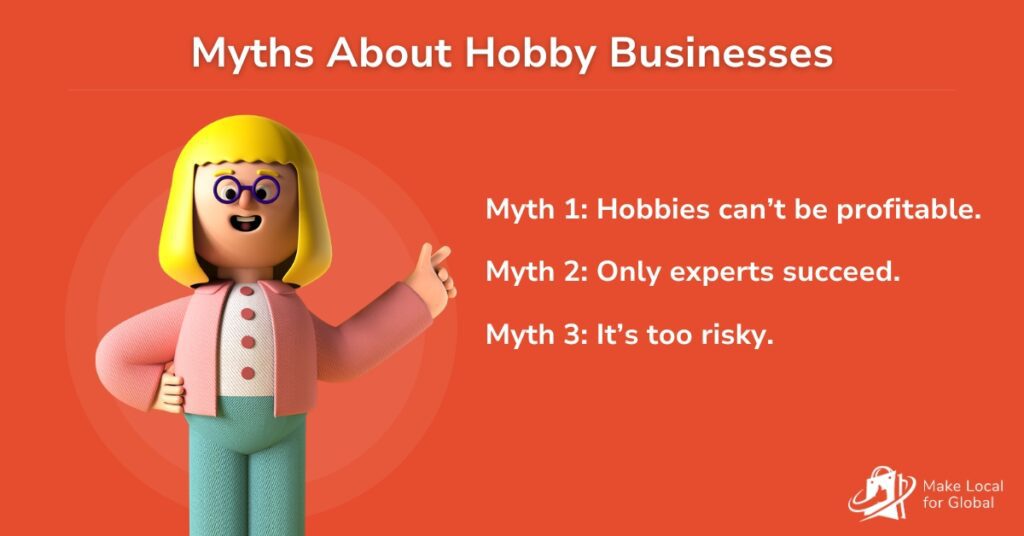
Myths About Hobby Businesses
Let’s debunk a few:
Myth 1: “Hobbies can’t be profitable.”
Absolutely false. People pay a premium for unique, handmade, or creative items.
Myth 2: “Only experts succeed.”
Not true! Many successful entrepreneurs started as beginners. Passion and perseverance go a long way.
Myth 3: “It’s too risky.”
Starting small, testing the waters, and having a solid plan can minimise risks.
Signs That Your Hobby Could Be a Business
You feel a consistent passion for it.
People are already offering to pay for your products/services.
You’re investing a lot of time and energy into it.
There’s room for growth or scaling (like starting a website or selling online).
2. Steps to Transition from Hobby to Business
Evaluate Your Hobby’s Market Potential
The first step is knowing whether people are willing to pay for what you offer. Do some market research:
Identify demand by checking if people are searching for your hobby-related products or services.
Research competitors to understand what they’re doing.
Target a niche market – being unique is your strength.
Define your target audience – who would love what you create?
Monetising Your Hobby
There are several ways to earn from your passion:
Sell products (like handmade items or digital designs).
Offer services (such as photography, writing, or fitness coaching).
Teach others by conducting workshops, creating courses, or offering lessons.
Create content around your hobby and earn through ads, affiliate marketing, or sponsorships.
Creating a Business Plan
Now that you know your hobby has potential, time to get a plan:
Set clear goals. Do you want to do this part-time or full-time? What are your financial goals?
Budget and plan finances. Know how much you’ll need to invest initially and how much you want to earn.
Craft your unique value proposition – what makes your hobby business stand out?
Conduct a SWOT analysis – Strengths, Weaknesses, Opportunities, and Threats.
Legalities and Formalities
No one likes paperwork, but it’s essential to make things legit:
Register your business with your local government.
Make sure you’re on top of taxes and any necessary licenses.
Consider business insurance to protect yourself.
Protect your intellectual property – trademarks, copyrights, etc.
3. Building Your Brand
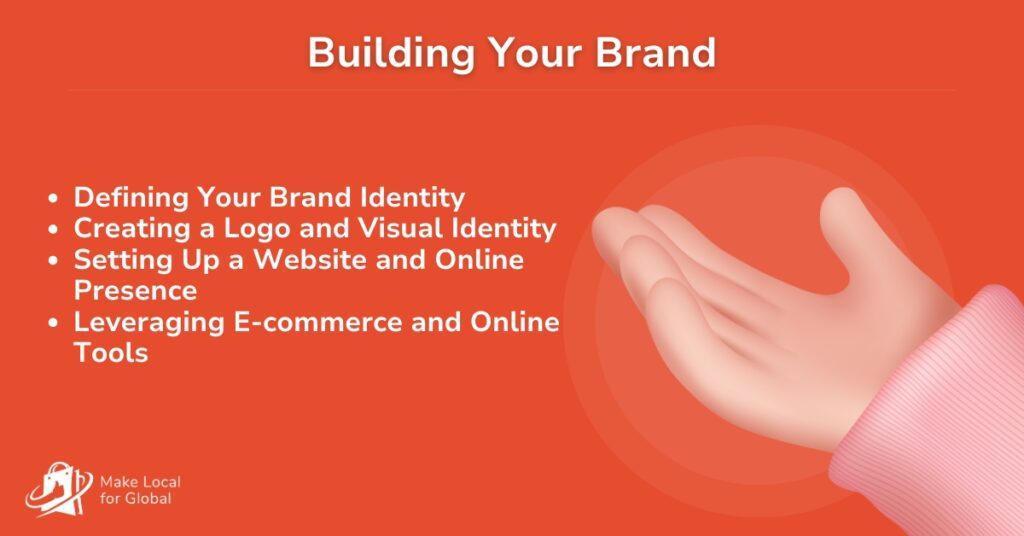
Defining Your Brand Identity
Your brand is the heart and soul of your business. It’s what people think of when they hear your name. Start by:
Defining your core message – what’s your business all about?
Crafting a brand story that resonates with your audience.
Developing a unique selling proposition (USP).
Ensuring consistency in tone, visuals, and communication.
Creating a Logo and Visual Identity
A professional logo is the face of your brand. Consider:
Colours and designs that represent your brand’s essence.
Creating a memorable visual style that people will recognise.
Maintaining visual consistency across your website, social media, and marketing materials.
Setting Up a Website and Online Presence
In today’s digital world, an online presence is essential:
A website is like your digital storefront. Invest in a good one!
Choose a domain name that’s easy to remember and represents your brand.
Include must-haves like a portfolio, contact details, and an online shop.
Utilise social media to engage with your audience.
Leveraging E-commerce and Online Tools
Selling online is easier than ever. Choose a platform (like Shopify or Etsy) and:
Set up an online shop.
Focus on SEO to make sure people find you.
Use tools like Google Analytics to track traffic and sales.
Automate where possible to free up your time for more creative work!
Identify your audience’s demographics (age, gender, location, etc.).
Get into their heads with psychographics (values, interests, behaviour).
Create buyer personas to visualise your ideal customers.
Find out where they “hang out” online – forums, social media, etc.
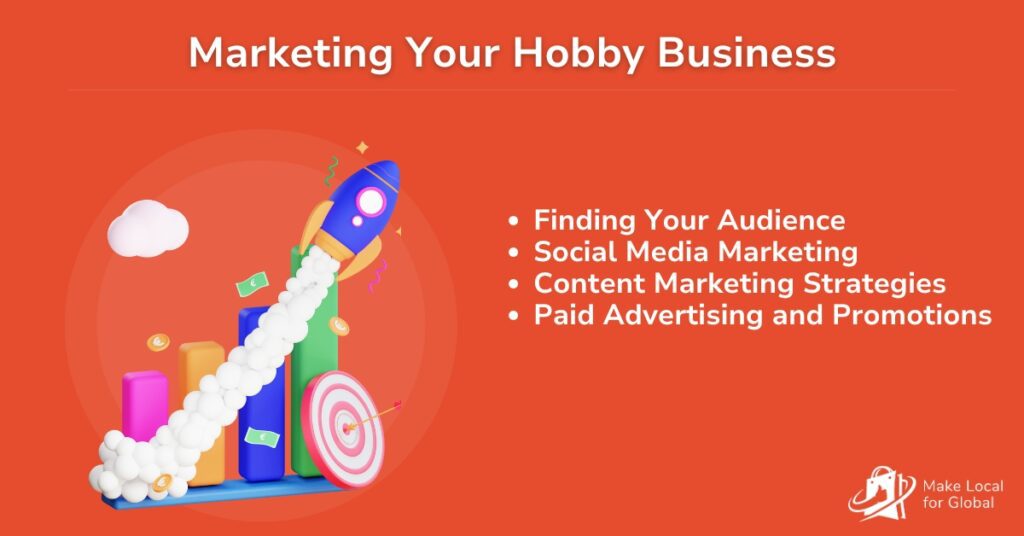
Social Media Marketing
Social media is your friend here! Platforms like Instagram, Facebook, and Pinterest can help spread the word:
Post engaging content that resonates with your audience.
Build a community by interacting with followers.
Collaborate with influencers to reach a larger audience.
Content Marketing Strategies
Write blog posts about your craft and related topics.
Create video tutorials or behind-the-scenes content.
Send out regular email newsletters to stay in touch with customers.
Encourage user-generated content and reviews to build credibility.
Paid Advertising and Promotions
If you have a budget, consider:
Running Facebook Ads targeting your niche market.
Using Google AdWords for relevant search queries.
Partnering with influencers for sponsored posts.
Measure your return on investment (ROI) to ensure you’re getting value.
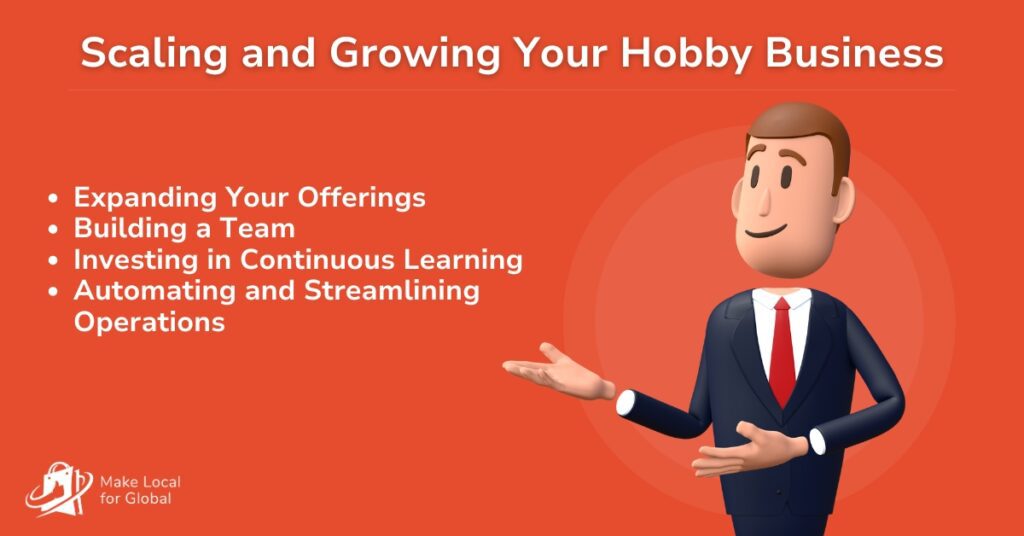
5. Scaling and Growing Your Hobby Business
Expanding Your Offerings
Once you’ve established a steady customer base, think about:
Diversifying your product or service range.
Partnering with other brands for collaborations.
Going international by selling online or shipping globally.
Hosting workshops or events to engage directly with customers.
Building a Team
When the time comes to scale, you might need a bit of help:
Decide whether to outsource or hire in-house.
Start by managing freelancers or part-time staff.
Build a team that shares your passion and vision.
Investing in Continuous Learning
Staying updated with industry trends will help you stay competitive:
Keep learning through online courses.
Attend networking events and trade shows.
Always gather feedback from your customers and use it to improve.
Automating and Streamlining Operations
As you grow, you’ll need to streamline your processes:
Use CRM tools to manage customer relationships.
Automate email marketing campaigns to save time.
Implement an efficient inventory management system.
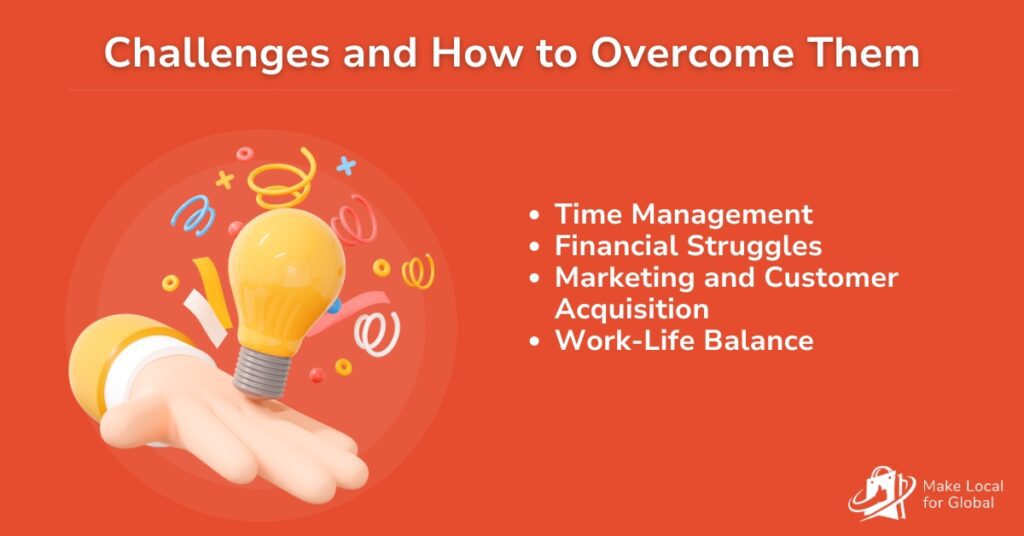
6. Challenges and How to Overcome Them
Time Management
Running a business while juggling life can be tricky:
Set clear boundaries between work and personal life.
Use productivity tools like Trello or Asana.
Avoid burnout by scheduling time for rest and relaxation.
Financial Struggles
It’s normal to hit financial bumps in the road:
Keep a close eye on your cash flow.
Stick to a budget and avoid unnecessary expenses.
During slow seasons, use the downtime to focus on marketing and product development.
Marketing and Customer Acquisition
It can be tough to attract your first customers:
Start with your personal network and grow through word-of-mouth.
Build trust by offering a quality product and excellent customer service.
Create incentives for repeat business.
Work-Life Balance
It’s important to maintain a balance between work and life:
Set realistic goals and don’t push yourself too hard.
Prioritise your mental health by taking breaks when needed.
Celebrate the small wins and milestones – they all count!
7. Why “Make Local for Global” Is Your Perfect Partner
Comprehensive Support for Hobby Entrepreneurs
At “Make Local for Global,” we provide the essential tools to turn your hobby into a successful business:
Branding services to help you look professional.
Assistance with setting up an e-commerce platform.
Domain registration and business email so you can hit the ground running.
Affordable and Flexible Plans
Our pricing plans are designed to be budget-friendly for new entrepreneurs:
The Basic Plan is perfect for those starting out.
For those ready to scale, the Global Plan offers expanded services, including ongoing training.
Customer Success Stories
We’ve helped countless hobbyists make the leap to entrepreneurs:
A local crafter turned her passion for ceramics into a booming online store.
A home baker expanded her small operation to a nationwide delivery service.
A hobby photographer now runs a successful event photography business.
How to Get Started with “Make Local for Global”
Getting started with us is simple. Choose a plan, sign up, and within seven days, you’ll be ready to launch your business. We offer ongoing support and a 30-day money-back guarantee, so you have nothing to lose!
Take the leap, and let’s turn your hobby into a thriving business. Contact us for a free consultation here!
PREFERRED SOURCE
Keep finding us on Google
Like what you’re reading? Add Make Local for Global as a preferred source on Google to see more of our articles when you search.
To provide the best experiences, we use technologies like cookies to store and/or access device information. Consenting to these technologies will allow us to process data such as browsing behaviour or unique IDs on this site. Not consenting or withdrawing consent, may adversely affect certain features and functions.
Functional
Always active
The technical storage or access is strictly necessary for the legitimate purpose of enabling the use of a specific service explicitly requested by the subscriber or user, or for the sole purpose of carrying out the transmission of a communication over an electronic communications network.
Preferences
The technical storage or access is necessary for the legitimate purpose of storing preferences that are not requested by the subscriber or user.
Statistics
The technical storage or access that is used exclusively for statistical purposes.The technical storage or access that is used exclusively for anonymous statistical purposes. Without a subpoena, voluntary compliance on the part of your Internet Service Provider, or additional records from a third party, information stored or retrieved for this purpose alone cannot usually be used to identify you.
Marketing
The technical storage or access is required to create user profiles to send advertising, or to track the user on a website or across several websites for similar marketing purposes.