

READY TO SELL Sustainable ecommerce ONLINE?
Get a store built for you in 5 days, plus training and support to help you start, run, and grow your Alternative business.

Learn how to check sustainability claims before listing products online. A practical UK guide to supplier evidence, product labels, certifications and clearer customer-facing wording.

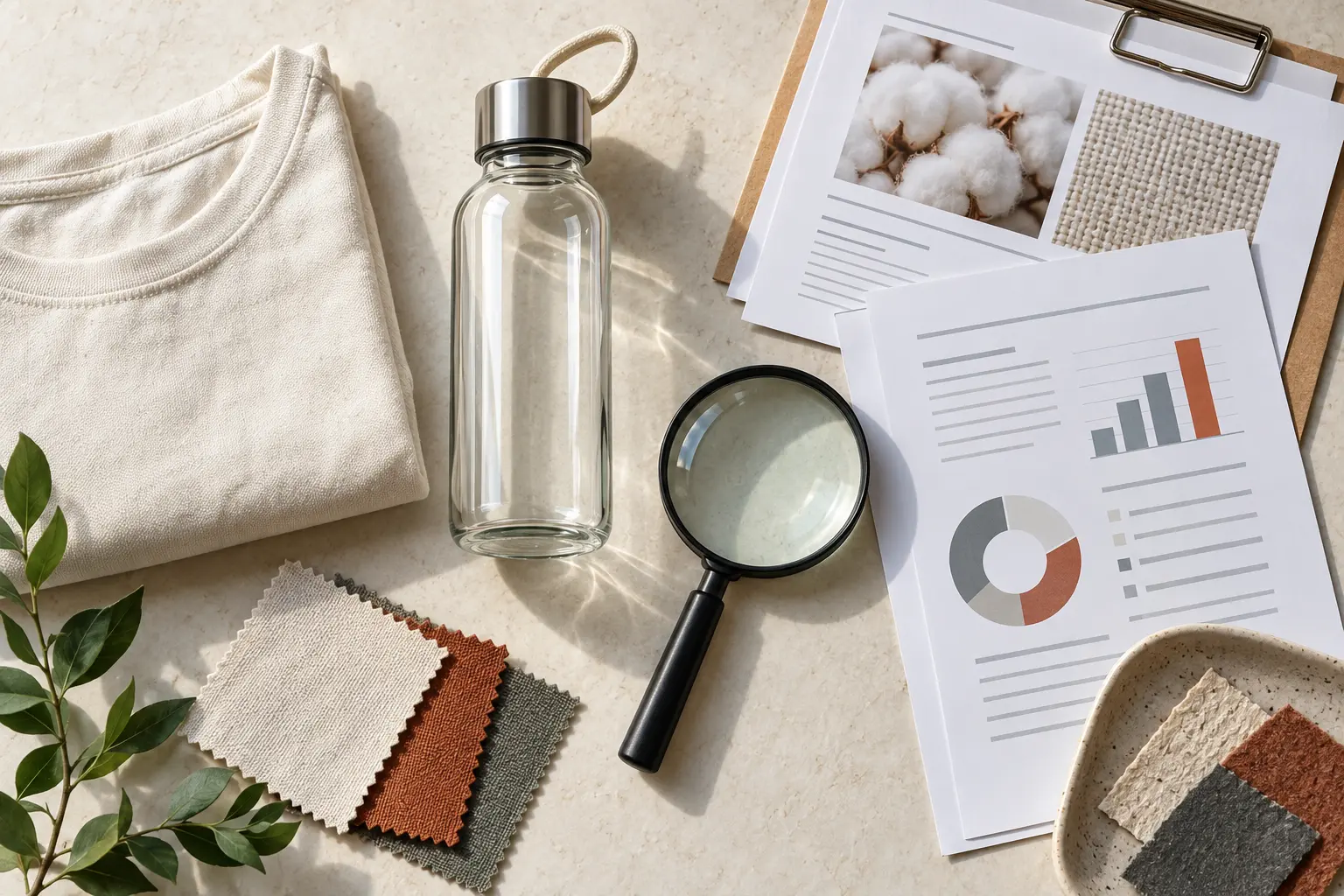
A supplier says a product is “eco-friendly”. A packaging label shows a leaf logo. A product description mentions recycled material. Before you repeat any of those claims in your online shop, pause and check exactly what they mean and what evidence supports them.
This guide gives small UK ecommerce businesses a practical way to review environmental claims before listing a product. It is not legal advice, and a checklist cannot replace specialist advice for a complex claim. It can help you ask better questions, avoid overpromising and give customers information they can understand.
Customers may use environmental details to compare products. A broad phrase such as “planet-friendly” can shape what they believe about the entire item, even if the evidence only relates to one small component. The wording, product images, icons and page layout all contribute to the impression a shopper receives.
For example, imagine a gift shop sells a notebook made with recycled paper but wrapped in a plastic sleeve. “Made with recycled paper” is a specific statement about one material. “A sustainable notebook” may suggest much more, including the cover, ink, binding, packaging and wider product impacts. Before using the wider wording, the shop would need to understand and support the impression it creates.
Copy the claim into a simple review note. Include the product title, description, photographs, badges, packaging text and any social or email wording that repeats it. A statement can be implied by a green colour palette or a leaf symbol as well as written in a sentence.
Then ask: what would an ordinary customer understand this to mean? “Contains 70% recycled polyester” is more precise than “made from recycled materials”, provided the percentage and scope are accurate. “Recyclable” needs a clear basis too. Does it describe the whole item, one part, or only a local or specialist disposal route?

Ask the supplier for evidence that is relevant to the particular product, not just a general company brochure. Useful evidence may include a current product specification, material breakdown, test report, certificate, chain-of-custody record or written explanation. What is appropriate depends on the claim.
Check that the document identifies the product, material or site it covers. Look at its date, issuer, scope and any conditions. A certificate for one factory or material does not automatically apply to every product in a supplier’s catalogue. If a document uses a product code, make sure it matches the item in your store.
Suppose a reusable bottle has a recycled steel body but a new-plastic lid and silicone seal. If the evidence covers only the steel, do not present the entire bottle as recycled. Ask whether the supplier can confirm a percentage by weight and explain which parts are included. State the scope close to the claim, for example: “Bottle body made with 60% recycled stainless steel; lid and seal excluded.” Use that wording only if the supplier’s evidence supports it.
If a supplier mentions a certification, ask for its full name and the certificate or licence details. Check the issuer’s own directory or verification process where one is available. Confirm the exact product, company, facility or material covered, and whether the mark may be used in your product marketing. Do not assume that seeing a logo in a sales catalogue proves that a product is certified.
Terms such as “biodegradable”, “compostable” and “recyclable” can depend on the material, product design and disposal conditions. Ask what needs to happen for the claim to be true. For compostable packaging, for instance, does it require an industrial composting facility, and is that route available to the customer? Is the claim about the whole package or only one part?
Consider a skincare business that receives a mailer described as “compostable”. The owner should find out whether the claim applies to the mailer, its adhesive strip and label, whether home composting is suitable, and what disposal instructions the manufacturer recommends. If customers are likely to put it in household food-waste collection, confirm that the local collection route accepts it before suggesting that disposal method.

Words such as “green”, “eco-friendly” or “sustainable” are broad. They may suggest that a product has a positive environmental effect overall, not merely one specific feature. Unless you have evidence for the impression the full claim creates, describe the verified attribute instead.
For example, rather than “the greenest candle on the market”, a small candle maker might say “the candle jar is made from 80% recycled glass”, if current evidence confirms that exact figure. Avoid comparisons such as “better for the planet” unless you can explain the comparison, its basis and what has been compared. A truthful detail can still mislead if it hides an important limitation.
The UK Competition and Markets Authority’s Green Claims Code checklist says claims should be accurate and clear, supported by credible evidence, and not hide important context. The Advertising Standards Authority’s environmental claims guidance is also relevant to marketing communications. Guidance and rules can change, so check current official sources before publishing a claim with regulatory implications.
Save supplier emails, specifications, certificates and the final product-page wording together. A simple spreadsheet can include the product code, claim, evidence source, date checked, limitations and next review date. This makes it easier to update the page when the supplier changes a material, certification expires or packaging is redesigned.
For example, if a supplier changes a garment from a 50% recycled-fibre blend to a different composition, the old product description and social captions may no longer be accurate. Treat meaningful product changes as a prompt to check the claim again.
Ask the supplier a focused follow-up question: “Which part of the product does this certificate cover?” or “What collection conditions are required for this packaging to be composted?” If the answer remains unclear, do not repeat the claim as fact. You can describe a verified material or feature, leave out the environmental wording, or choose not to list the product.
Our supplier sustainability checklist includes practical questions to ask before adding products to your range. You can also explore the MLFG Sustainability page and our guide to selling sustainable products.
Ask for evidence that matches the specific claim, such as a current product specification, material breakdown, test report or relevant certificate. Check the product code, scope, date and conditions. The right evidence depends on what you plan to say to customers.
Do not assume it is suitable to repeat unchanged. Ask for supporting information, check what the claim covers and make sure the wording and presentation on your own store give customers an accurate impression. If uncertain, seek appropriate professional advice.
A careful product-claim check is not about finding a perfect product. It is about making sure your words match what you know, showing customers the limits of a claim and updating information when the evidence changes. Clear, specific detail helps people make a more informed choice.
Make Local for Global helps small businesses plan and set up ecommerce websites with clear product information and practical customer journeys. Browse our sustainable-products resource or talk to Make Local for Global about your online store.
PREFERRED SOURCE
Like what you’re reading? Add Make Local for Global as a preferred source on Google to see more of our articles when you search.
Build your online presence without having to figure out everything yourself.