

READY TO SELL Jarred Sauces ONLINE?
Get a store built for you in 5 days, plus training and support to help you start, run, and grow your Alternative business.

Learn practical steps to start selling jarred sauces online, from recipe safety to finding your first customers and setting up a simple website.

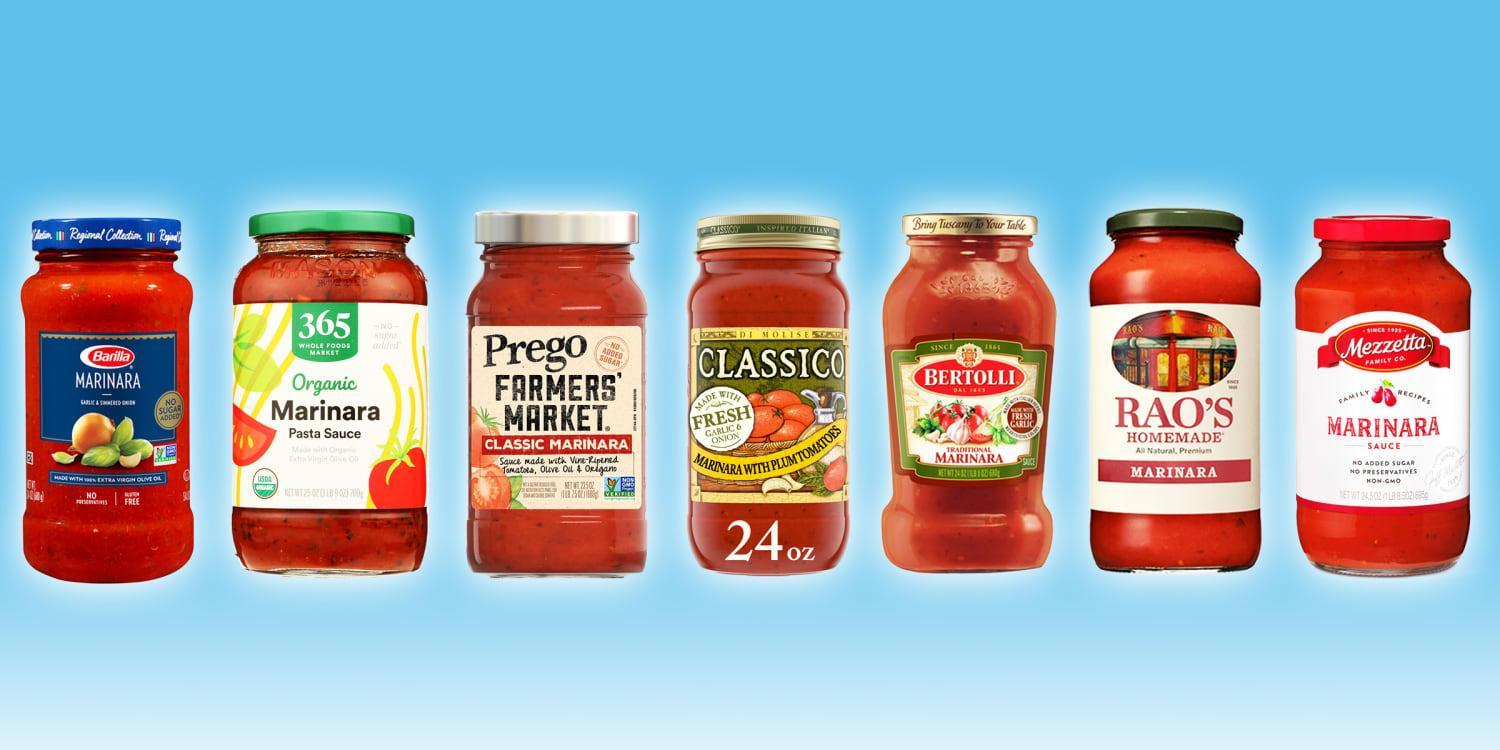
Jarred sauces are one of the best “small food business” products you can sell.
They’re shelf-stable (when made and packed properly), easy to gift, easy to post, and they turn a normal Tuesday dinner into something that feels like effort – without actual effort.
The challenge is that food buyers are picky. They want flavour, trust, clear ingredients, and a brand that feels legitimate.
This guide shows you how to sell jarred sauces online in the UK, from choosing your hero product and getting labels right to pricing, marketing, and setting up a shop that sells while you’re busy cooking.
The quickest way to stall a sauce business is to launch with 12 flavours.
It feels like variety. It’s usually chaos.
Start with one sauce you can make consistently and confidently, then build from there.
Pick one sauce you’d happily serve to guests and one you can produce without losing your mind.
These aren’t the only options, but they’re strong categories because they’re familiar and easy to use:
Selling jarred sauces is a food business, which means you need to take food safety and labelling seriously.
I’m not giving legal advice, but there are a few basics that apply to most UK sellers and will keep you on the right track.
If you’re producing food to sell, you generally need to register your food business with your local authority before you start trading. Registration is free and should be done ahead of trading. ([gov.uk](https://www.gov.uk/guidance/food-business-registration?utm_source=chatgpt.com))
If you’re making sauces from home, there’s official guidance on starting a food business from your home, including expectations around hygiene and food safety management. ([food.gov.uk](https://www.food.gov.uk/business-guidance/starting-a-food-business-from-your-home?utm_source=chatgpt.com))
Jarred sauces often contain common allergens (mustard, celery, nuts, dairy) or may be made in kitchens where cross-contamination is possible.
UK labelling rules can apply depending on how you sell and whether products are prepacked for direct sale (PPDS). ([food.gov.uk](https://www.food.gov.uk/business-guidance/labelling-guidance-for-prepacked-for-direct-sale-ppds-food-products?utm_source=chatgpt.com))
The simple mindset: be accurate, be consistent, and don’t guess on allergens.
Jarred sauces can’t rely on “fresh, just made” vibes the way a market stall can.
Your sauce needs to taste good after opening, hold its flavour, and feel reliable.
Most people won’t buy a jarred sauce if they don’t know what to do with it.
Every jar should have:
Unique is good. Confusing is not.
“Smoky tomato and roasted garlic” sells. “Fermented seaweed umami fire” might be brilliant, but it’s a harder first product.
The jar is not just a container. It’s part of your pricing power.
If it looks giftable and premium, you can charge more.
If it looks cheap or inconsistent, people assume the sauce is too.
For online sales, your label needs to work in photos.
That means:
Food businesses often underprice because they compare themselves to supermarkets.
But you’re not a supermarket.
You’re a small-batch brand with real ingredients, real labour, and real overheads.
| Offer | Best for | Why customers like it | Why it helps you |
|---|---|---|---|
| Single hero jar | First-time buyers | Low commitment, easy to try | Simple fulfilment, easy marketing |
| Two-jar bundle | People who cook regularly | Better value, fewer postage issues | Higher order value, steadier sales |
| Three-jar discovery set | Gift buyers | Feels thoughtful and fun | Best for gifting season revenue |
| Limited seasonal flavour | Repeat customers | Something new to try | Creates urgency without pressure |
Food selling has enough moving parts already: cooking, hygiene routines, labels, stock, packaging, customer messages.
The last thing you need is to lose weeks building a website.
Make Local for Global is a UK-based done-for-you ecommerce service that sets up your online shop so you can focus on making and selling, not fiddling with tech.
If you want help planning your product pages and bundles, you can book a free consultation.
Or if you want the straightforward option, you can Get your website for £99/year.
Most sauce marketing is either generic (“delicious, handcrafted”) or overly intense (“life-changing flavour”).
You can do better by being specific and practical.
Shipping jars is not as scary as it sounds if you have a system.
Most breakages come from movement inside the box and weak corner protection.
Be calm and specific:
Your early sales come from repeat purchases and gifting, not just one-off curiosity.
Sell one jar and a two-jar bundle. Keep it simple.
Food reviews sell food. Ask buyers to mention:
People don’t want another product. They want a plan for what to eat.
Become the brand that makes dinner easier.
Impulse matters here. People buy sauces when they’re hungry or planning meals.
If checkout is clunky, you lose the moment.
If you want a professional shop without building it yourself, you can Get your website for £99/year.
Or if you want help planning your launch and labels, book a free consultation.
Once the hero sauce is selling, add a limited flavour for repeat customers.
That keeps interest high without creating production chaos.
These mistakes cause stress, refunds, and slow growth.
Start with one hero. Add later based on demand.
Make dinner ideas obvious. People buy when they can picture the meal.
Glass shipping materials are not free. Build it into your pricing.
Accuracy matters. If you’re unsure, get proper guidance rather than guessing.
Sell first, improve as you go. Momentum beats perfection.
Yes, especially sauces with a clear purpose like “quick pasta dinner” or “BBQ glaze”, and sauces sold in bundles or gift sets. They sell best when you provide clear ingredients, heat level guidance, and serving ideas.
Start with one sauce you can make consistently and that people will use up quickly. Tomato-based sauces, BBQ sauces, and chilli sauces are popular because they’re versatile and easy to understand.
Price based on ingredients, jars and labels, your time, overheads, fulfilment packaging, fees, and profit. Bundles help increase order value and make postage feel worthwhile for customers.
Show how to use them. “Three dinners with one jar” content works well, as do texture shots, quick recipes, and honest reviews. Clarity beats hype.
You can sell at markets or through social selling, but a website makes buying easier and helps you look established. If you don’t want to build it yourself, a done-for-you ecommerce setup can get you selling faster.
To sell jarred sauces online, focus on one hero product, clear labels and usage ideas, and safe shipping.
Build reviews early and offer bundles that make ordering feel worthwhile.
If you want a professional ecommerce shop without the tech headache, you can Get your website for £99/year.
Or if you want help planning your launch, product pages, and bundles, book a free consultation.
Make it easy for people to cook something delicious on a normal day, and you’ll build a sauce business that lasts.
PREFERRED SOURCE
Like what you’re reading? Add Make Local for Global as a preferred source on Google to see more of our articles when you search.

Build your online presence without having to figure out everything yourself.




