

READY TO SELL Jewellery ONLINE?
Get a store built for you in 5 days, plus training and support to help you start, run, and grow your Alternative business.

Learn the best practices for managing inventory in your online jewellery store. From using an inventory management system to forecasting demand, this guide covers everything you need to know to ensure that you always have the right products in stock and optimize your profits.

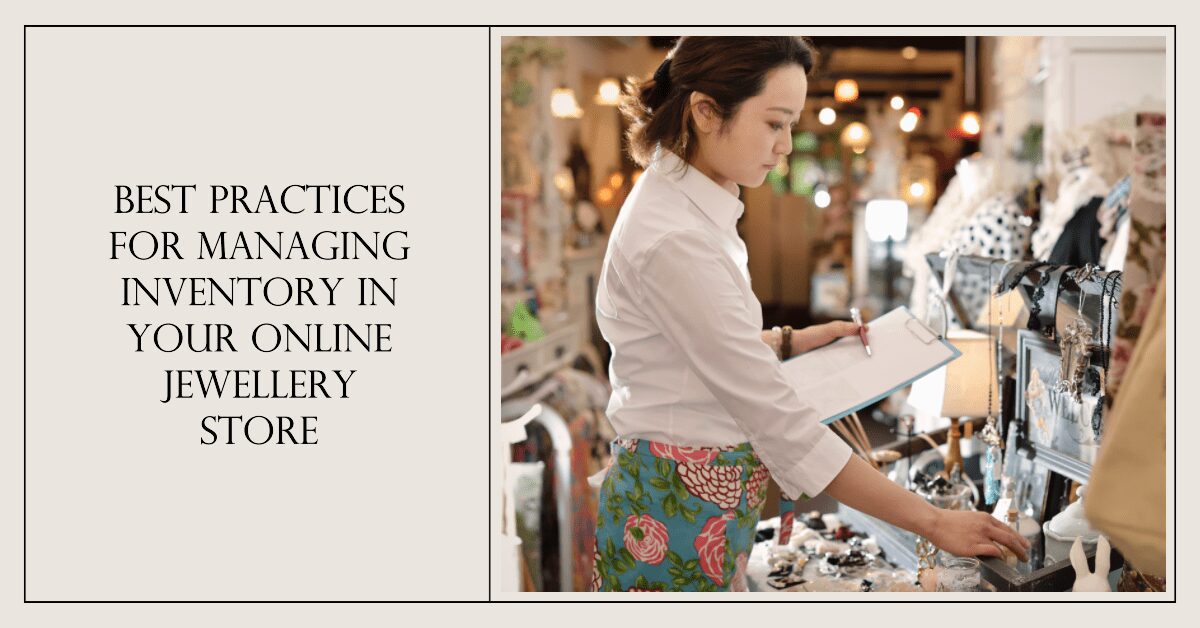
Managing inventory is one of the most important parts of running an online jewellery store. When you manage your inventory well, you make sure that you always have the right products for your customers.
This helps reduce problems like having too much or too little stock. It can save you money and stress.
In this article, we’ll talk about the best ways to manage inventory in your jewellery store to help your business run smoothly and keep your customers happy.
Before we get into the best practices, it’s important to understand what inventory management means. Inventory management is about keeping track of all your products—ordering, storing, and selling them.
It means knowing what stock you have, what products are selling well, and planning ahead so you can meet your customers’ needs. If you manage inventory properly, you can avoid waste, save money, and make sure your customers always find what they want.
Good inventory management isn’t just about knowing what’s in stock. It’s about being smart with how you handle your products. This way, your store runs well, customers are satisfied, and your business stays profitable.
The first and most important step is using an inventory management system. This is a software tool that helps you keep track of your inventory, orders, and sales.
It makes everything much easier by automating tasks like updating stock levels after each sale. It also sends you alerts when you are running low on a product and gives you detailed reports.
With a good system, you always know what’s happening with your inventory. This helps you make better choices about when to restock and what products need more focus.
It also helps if you sell on different platforms, like your website and marketplaces. The system can sync everything so there are no mistakes.
Par levels (or minimum stock levels) are the least amount of a product you need to have in stock at all times to meet customer orders. By setting par levels, you make sure you never run out of popular products.
This helps you keep up with customer demand. Par levels also help you avoid buying too much stock that might not sell quickly.
You can use past sales data to set par levels and change them as needed when trends or seasons change. Keeping an eye on these levels and restocking as needed means your customers won’t be disappointed when they want to buy something that’s sold out.
Regular inventory checks are very important. These checks help make sure that what you have in stock matches what your inventory system says.
By doing regular checks, you can find any mistakes, like missing items or wrong numbers. This lets you fix problems right away.
Inventory checks also show you which items aren’t selling well. If you have products that don’t sell, you might want to put them on sale to make space for new items.
Doing regular inventory audits keeps your store organised. It helps you run your store efficiently.
Another important part of managing inventory is predicting demand. This means figuring out how much of each product you’ll need. You can use past sales, trends, and upcoming events like holidays to help with this.
Forecasting helps you know how much to order. This way, you don’t run out or end up with too much stock.
Good forecasting helps you buy just the right amount of products at the right time. This keeps your customers happy.
It also helps build better relationships with suppliers. You’ll know exactly when and how much to order.
Optimising your supply chain is key to managing inventory well. A good supply chain helps you reduce costs, avoid delays, and keep products flowing smoothly.
Building good relationships with reliable suppliers is an important part of this. Clear communication helps you solve problems quickly and avoid delays.
You can also try using just-in-time inventory. This means you only order products when you need them instead of keeping a large stock.
This helps save money on storage and keeps your inventory fresh. Negotiating better deals with suppliers can also save you money. This helps improve your overall profit.
Looking at your sales data helps you make smarter decisions about what to order. By analysing sales, you can see which items are popular and which are not selling well.
This way, you can order more of what customers want. You can also avoid keeping too much of what they don’t.
Sales data can also help you plan for special times of the year. For example, engagement rings might sell more around Valentine’s Day.
You can use this information to make sure you have enough in stock. Using data helps you plan and save money by only ordering what will sell.
The inventory turnover rate is a measure of how quickly you sell and replace stock over time. It’s an important way to see how well you are managing your inventory.
If a product has a low turnover rate, it might mean the product isn’t in demand. Or, it might mean you need to improve marketing for it.
A high turnover rate is a good sign. It shows that your inventory is moving well. It means customers want your products.
By focusing on items that sell quickly, you can use your resources better. You also avoid having too much unsold inventory that takes up space.
A clear returns policy can help you manage inventory better. When customers return items, it gives you another chance to sell those products.
It also helps you understand what might be going wrong with certain items. Maybe the product description wasn’t clear. Or there was an issue with quality.
Allowing returns also helps customers feel more confident buying from your store. They know they can send items back if needed.
This makes them more likely to buy, especially online where they can’t see the item in person before purchasing.
SKU (Stock Keeping Unit) numbers are unique codes that help you organise your inventory. Assigning SKUs makes it easier to keep track of products, monitor sales, and know exactly what you have in stock.
With well-organised SKUs, you can easily locate products in your system. You can track which items are selling best and keep accurate records.
This is especially useful if you have lots of similar products. For example, different sizes or colours of rings. It helps manage each type separately.
Lead time is how long it takes for a supplier to deliver products after you place an order. Knowing your lead times is very important for planning.
If you know how long it takes to get new stock, you can place orders in advance. This way, you always have what you need.
Lead times can be longer during busy seasons, like the holidays. It’s important to plan accordingly.
Keeping track of lead times means you can avoid running out of stock. This helps keep your customers happy.
Managing inventory well is one of the most important parts of running a successful online jewellery store. By following the best practices in this article, you can keep your stock organised. You can avoid problems like overstocking or running out and keep your customers satisfied.
Use an inventory management system to help keep track of everything. Set minimum stock levels, do regular checks, predict product demand, and work on improving your supply chain.
Make sure you use sales data to guide your purchasing. Monitor your inventory turnover rate, allow returns, use SKUs, and track lead times.
With these practices in place, you can make sure your store runs smoothly. Your customers will be happy, and your business will stay profitable.
When you manage inventory effectively, it also makes for a better shopping experience for your customers. This can help build a loyal customer base and a brand that people trust.
It is recommended to conduct inventory audits at least once a month, but the frequency may vary based on your business needs.
The best inventory management system for your online jewellery store depends on your business needs and budget. Some popular options include TradeGecko, Cin7, and Stitch Labs.
While it is possible to manage your inventory manually, it can be time-consuming and prone to errors. An inventory management system can help streamline the process and save you time and money in the long run.
You can reduce your inventory costs by optimizing your supply chain, negotiating better pricing with suppliers, and implementing just-in-time inventory management.
You can sell off or discount slow-moving or obsolete inventory to make room for more profitable products. Alternatively, you can donate it to charity or dispose of it responsibly.
PREFERRED SOURCE
Like what you’re reading? Add Make Local for Global as a preferred source on Google to see more of our articles when you search.
Build your online presence without having to figure out everything yourself.