

READY TO SELL contact lenses ONLINE?
Get a store built for you in 5 days, plus training and support to help you start, run, and grow your Alternative business.

Learn how to sell contact lenses online in the UK, from professional oversight and medical-device checks to sourcing, listings, order controls and returns.

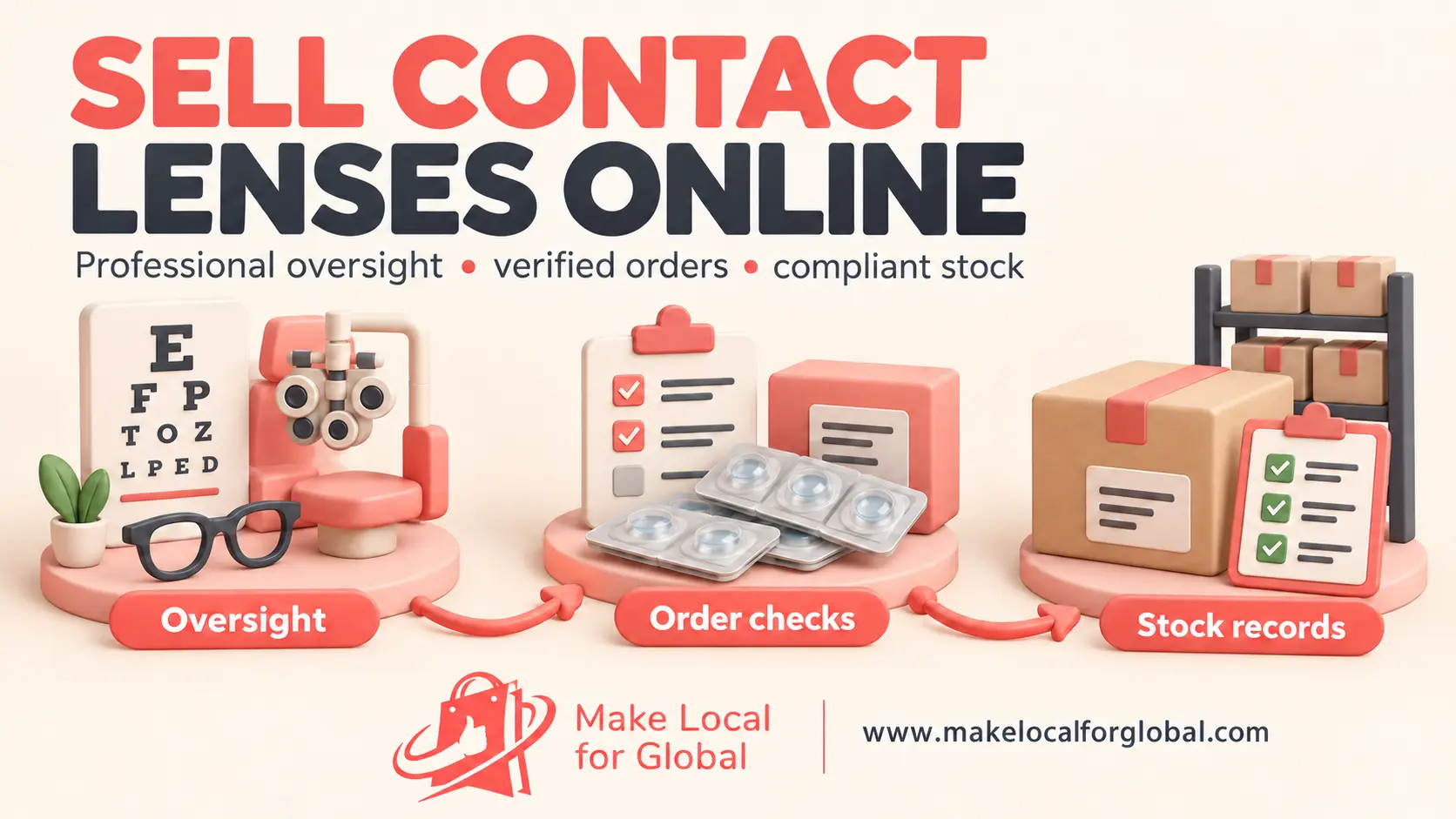
Selling contact lenses online can work only when the business has the right professional oversight, product controls and order checks in place. Prescription lenses are regulated, and zero-powered cosmetic lenses have sale conditions too. Start with the rules and operating model before you choose a platform or place a stock order.
Contact lenses are not an ordinary fashion accessory. Under section 27 of the Opticians Act 1989, a person must not sell a contact lens for use by someone without a valid specification. Sale conditions apply to powered lenses and to zero-powered lenses, with particular requirements around professional supervision and aftercare. The exact route depends on the product and how the sale is arranged.
Before trading, get advice from the General Optical Council (GOC) or a UK optical-law specialist on the business structure, who is responsible for supply, and whether the business must register with the GOC. Use the GOC business registration guidance as a starting point. A supplier or marketplace account does not replace those checks.
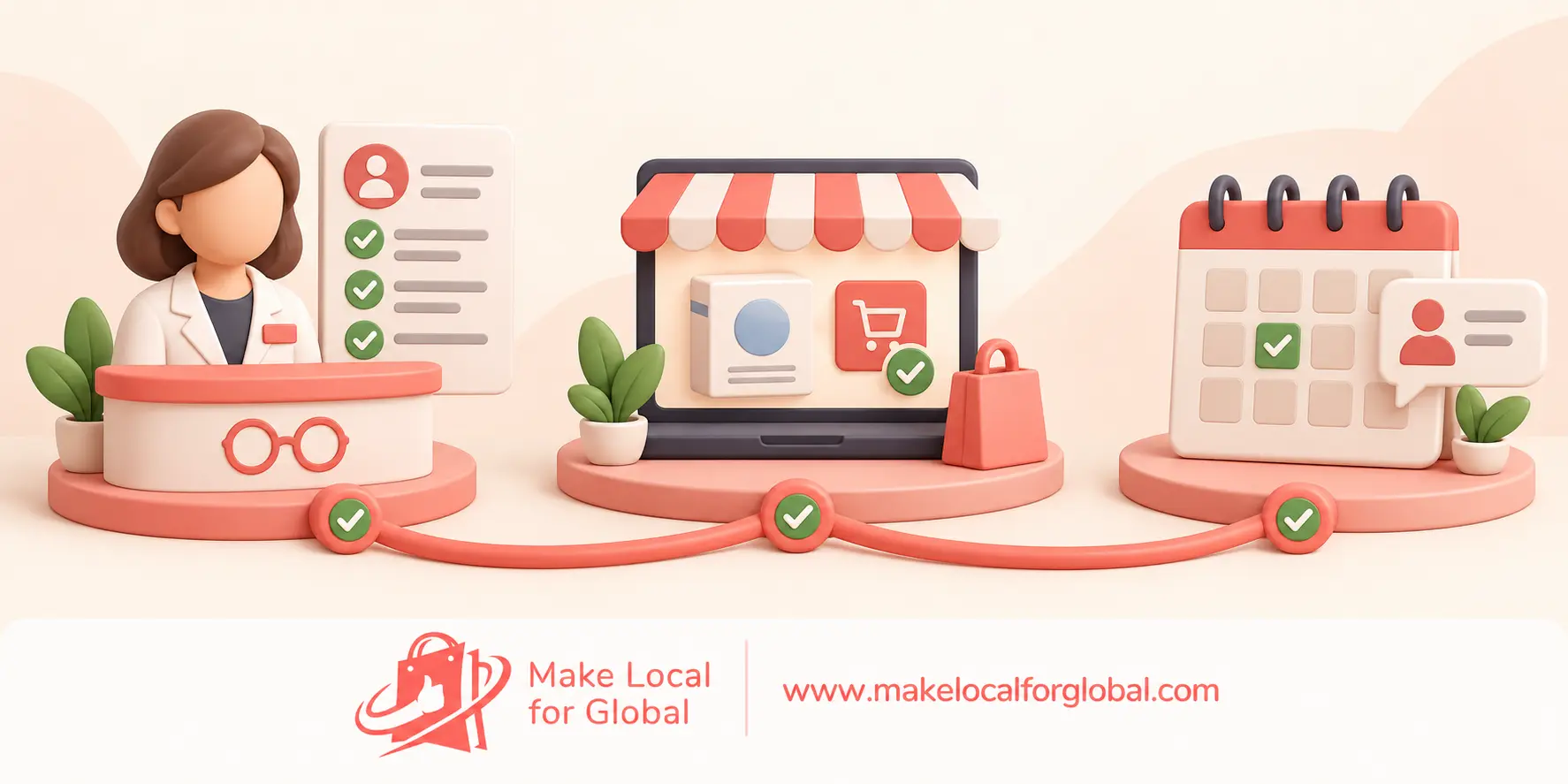
Decide who will review specifications, confirm orders, provide aftercare and handle clinical queries. If you are not an appropriately registered optical professional, arrange a lawful working relationship with professionals who can carry out the duties required for the products you plan to sell. Put responsibilities, supervision, record access and escalation routes in writing.
The College of Optometrists explains that a wearer may buy from a supplier where the sale is made by, under the supervision of, or under the general direction of a registered optometrist, dispensing optician or doctor. The specification has an expiry date, and sellers may verify its details with the prescriber. Read the College guidance on contact lens specifications and obtain case-specific professional advice before launch.
Buy only through traceable suppliers. Keep invoices, product identifiers, batch or lot details, expiry dates, manufacturer information and any required conformity documents. Check that the product labelling and instructions match the market where you will sell. Never remove or obscure original labels, repackage lenses, or list unverified stock.
Contact lenses are medical devices. In Great Britain, manufacturers and some other economic operators have MHRA registration duties. A UK-based importer has different obligations from a distributor buying within the UK supply chain. Northern Ireland follows a different device framework. Check the current MHRA guidance on registering medical devices and UK medical-device regulation for your precise role and destination market. Registration is not a product endorsement.
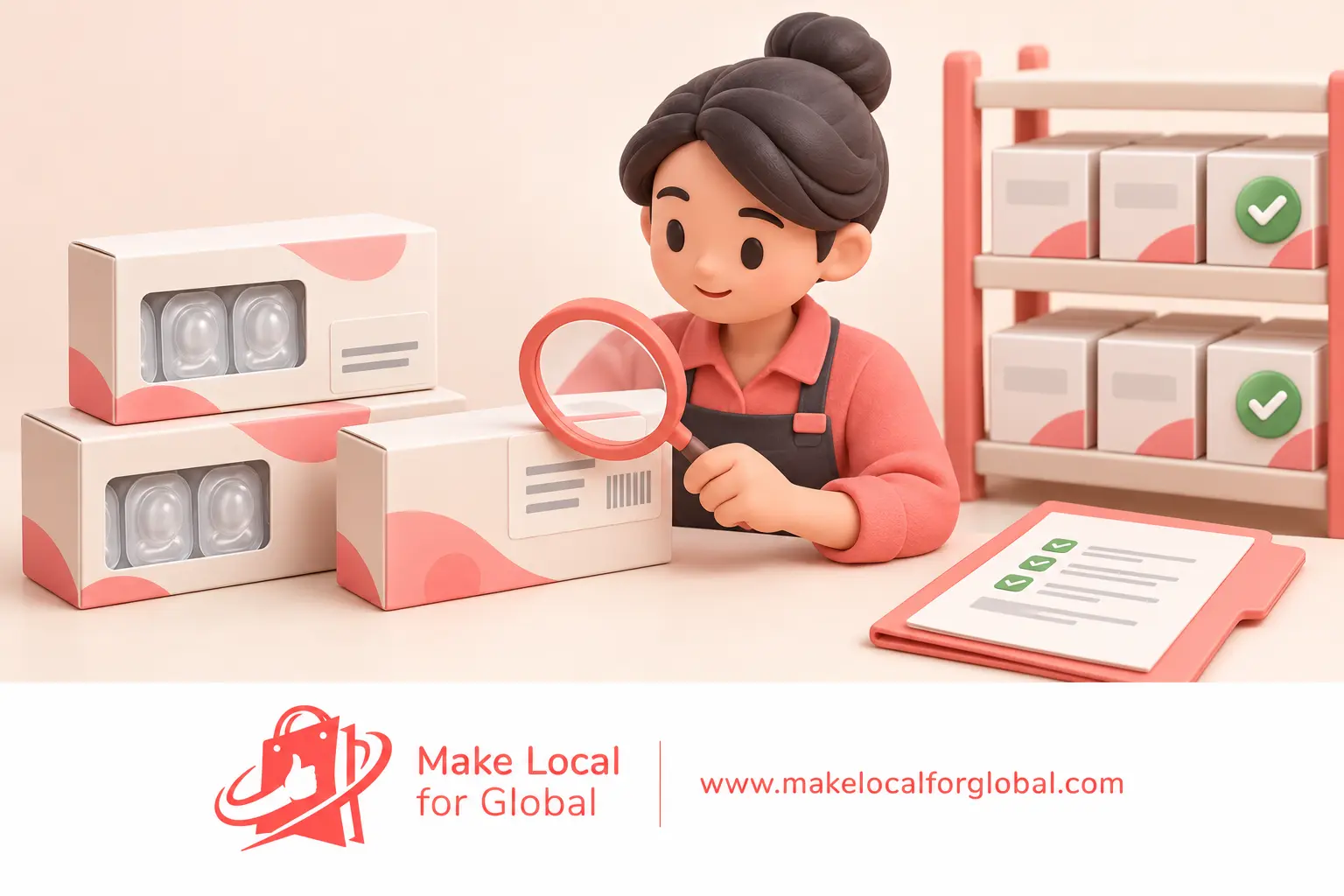
Make the product page a precise matching aid, not a clinical recommendation. Display the exact manufacturer and product name, lens type, pack quantity and the parameters shown on the product label. Explain how the customer can check the order against their current specification and what to do if anything does not match.
Do not recommend a substitute, change lens-wearing schedules, interpret a prescription, or suggest a wearer can select parameters by trial and error. Route questions about comfort, vision, eye health, fit or suitability to an appropriately registered professional. Cosmetic lenses need clear warnings and purchase checks too; “zero power” does not make them unregulated.
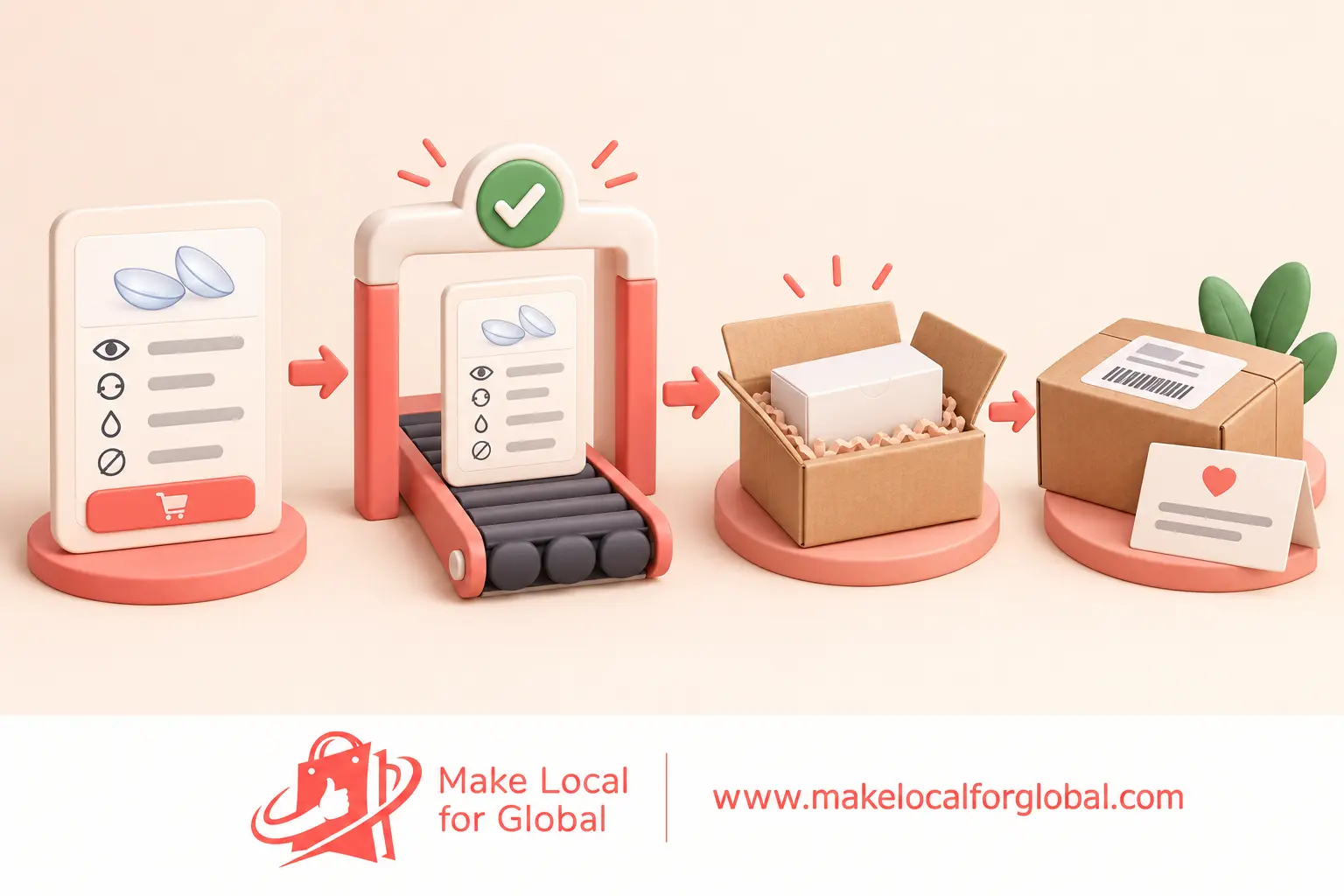
Set a written workflow for every order: capture the information required for the sale, verify the valid specification and product match, flag expired or incomplete details, record the professional check where required, pick the correct sealed pack, and retain dispatch and batch records. Build a pause-and-escalate route for mismatches instead of allowing staff or software to guess.
Use stock rotation by expiry date, routine supplier reconciliation and a documented process for damaged, recalled or returned goods. Package orders to protect sealed products in transit. Make delivery times, customer support and complaint routes easy to find.
Work from a realistic order contribution, not the supplier price alone. For a hypothetical £32 order, subtract £14 product cost, £1.20 inbound freight allocation, £1.10 payment fees, £3.20 pick-and-pack and £2.80 delivery. That leaves £9.70 before VAT where applicable, returns, customer service, professional oversight, software, insurance, marketing and tax. These figures are examples only; replace them with quotes from your own suppliers and fulfilment partners.
Check whether prices include VAT and ask an accountant how the product mix and business structure affect VAT treatment. Model repeat purchase intervals carefully, but do not use automatic replenishment to bypass specification validity or professional checks. Subscription orders need a clear cancellation process and a fresh eligibility check at the appropriate point.
Specifications and related order notes can reveal health information. Collect only what the sale and professional process require, limit staff access, set retention periods, secure the records and tell customers how their information is used. The ICO treats health data as special-category personal data; processing needs both a UK GDPR lawful basis and an Article 9 condition. Read the ICO guidance on special-category data.
Online sellers must provide the required pre-contract information, delivery details and cancellation terms. Do not rely on a blanket “no returns” message. Consumer rules include a limited exception for sealed goods that are unsuitable for return for health-protection or hygiene reasons once unsealed after delivery. Whether that exception applies depends on the product and packaging. Explain the policy accurately and get legal advice on the wording. See the UK distance-selling guidance and Consumer Contracts Regulations.

Only if the full supply arrangement meets the relevant sale, professional oversight, aftercare, device, traceability and consumer rules. A supplier shipping the parcel does not remove your obligations as seller. Get advice on the proposed arrangement before listing products.
Customers may use different suppliers, but the sale still has to follow the specification and professional conditions that apply. A checkout should not accept an unverified lens choice as a replacement for required checks.
Zero-powered cosmetic lenses still have legal sale conditions and can pose risks if used incorrectly. Treat them as regulated products, use the appropriate professional route and avoid claims that they are risk-free.
Show exact product identity and pack details, explain how the order is checked against a current specification, set out delivery and support details, and direct clinical questions to a registered professional. Do not offer lens substitutions or personalised clinical advice through marketing copy.
For help planning the wider business, explore our business tools, review MLFG plans, or speak with our team. You can find more ideas in our guides to selling ceramic mugs online and selling camping gear online.
PREFERRED SOURCE
Like what you’re reading? Add Make Local for Global as a preferred source on Google to see more of our articles when you search.

Build your online presence without having to figure out everything yourself.