READY TO SELL beauty kits ONLINE?
Get a store built for you in 5 days, plus training and support to help you start, run, and grow your Alternative business.

Learn how to sell beauty kits online: choose a focused buyer, check cosmetics labels, price each bundle and test packaging before ordering more stock.

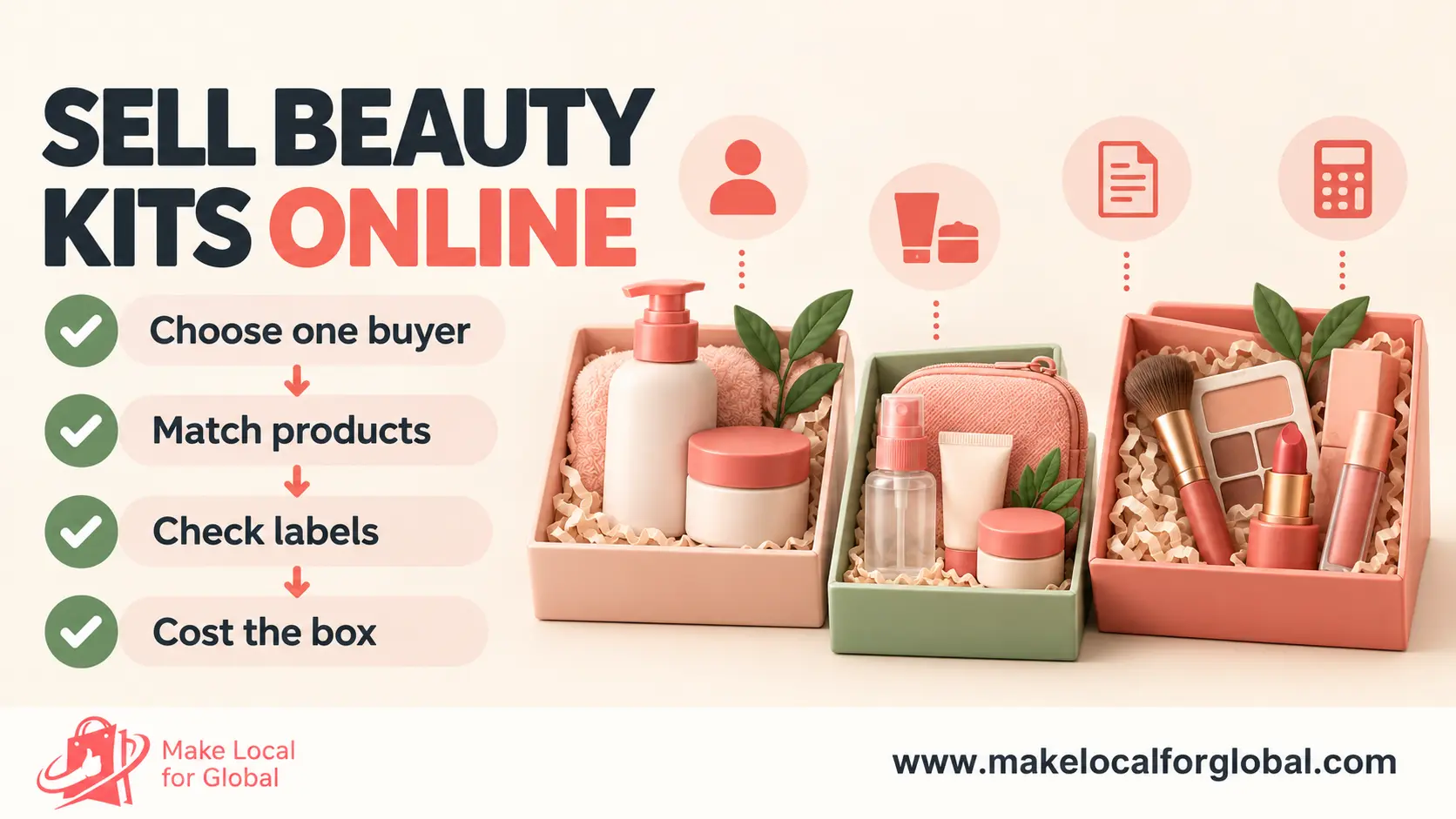
Beauty kits can make a shop easier to browse and give customers a ready-made gift or routine. They work when every item has a clear role, the products suit the same buyer, and the price covers the full packed order.
To sell beauty kits online, choose one customer and occasion, assemble a small set of products that belong together, check the compliance and labels for each cosmetic, then test the kit and its delivery cost before buying in quantity. A bundle does not remove the rules that apply to the items inside it.
Set up a shop for a focused beauty range
MLFG can help you build a clear online shop and product pages for a selected range. Product safety checks remain with the seller and relevant Responsible Person.
“Beauty kit” can mean a skincare starter set, a travel pouch, a makeup collection or a gift box. Start with one buyer and one use case. A kit for someone learning a simple skincare routine needs different products and instructions from a gift set chosen for presentation.
Speak with five to ten people who fit the customer you chose. Ask what they would want in a kit, what they already buy together, which items they would leave out and what they need to know before ordering. Record their exact questions about ingredients, scent, shade, size and dispatch. Use those questions to shape the first product page.
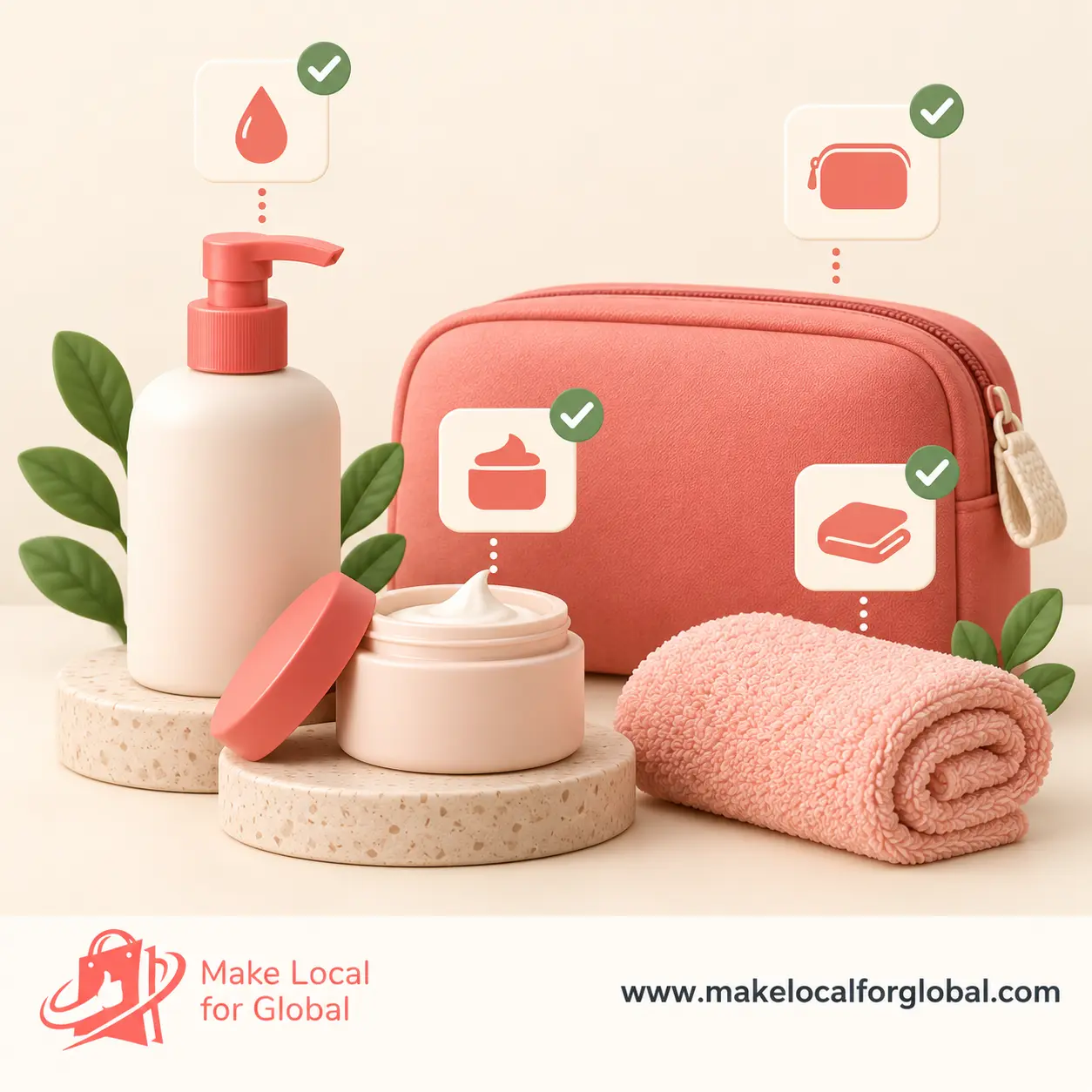
Begin with two or three kit concepts and a few products in each. Each item should support the stated use. A washcloth or pouch can add utility; extra products that do not fit the routine add cost and make the offer harder to explain.

Do not promise that a bundle suits every skin type, treats a condition or is safe for all users. Keep the supplier’s ingredient list, use directions and precautions visible. If a product’s claims or directions depend on using another item, explain that point accurately.
For wider product-range decisions, see MLFG’s article on selling beauty products online. If the kit centres on a wash-and-moisturise routine, compare the guides to selling body wash online and selling body lotion online.
Reselling sealed products from a UK supplier is often the simplest first test. You choose the items and bundle them, but you still need to check that each product is genuine, correctly labelled and supported by a clear supply record. Keep invoices, product codes, batch details and supplier contacts.
Importing cosmetics or selling them under your own brand can change your legal role. In Great Britain, a product placed on the market needs a Responsible Person. That person is accountable for the required safety assessment, Product Information File, product notification and other duties. The current GOV.UK guidance for cosmetics in Great Britain explains who may hold that role and what it involves. Ask the supplier in writing who the Responsible Person is for each exact product and market.
Review the products in the bundle one by one. In Great Britain, cosmetic packaging normally needs the product function, precautions, quantity, Responsible Person name and address, batch identifier, applicable use-by information, country of origin for imports and ingredient list. The details must be readable in English. Some rules have exceptions, so check the product and packaging rather than copying a generic checklist.

If you sell into Northern Ireland, check the separate NI requirements. The Responsible Person and notification route differ from Great Britain. The GOV.UK Northern Ireland cosmetics guidance sets out those rules.
Keep the original containers and labels intact. Do not decant cosmetics, cover ingredient or precaution text, combine products in a way that hides their instructions, or put your own name on the products before checking the legal duties that follow. A decorative outer box should leave the information a buyer needs easy to find.
Claims need evidence. Avoid language that implies a cosmetic treats acne, eczema or another medical condition, or claims a result you cannot support for the finished product. The official cosmetic product claims criteria require claims to be truthful, supported and clear for buyers; review the cosmetic claims regulation and the product’s supporting records before writing the listing.
Order samples from the supplier route you plan to use. Check seals, packaging, product names, sizes, ingredient panels, batch marks and expiry or open-jar information. Compare each item with the supplier’s written specification. Do not list a product until the information and condition match what a customer will receive.
Use a product title that states the kit’s purpose and its contents. For example: “Three-piece body-care gift set with wash, lotion and cotton cloth” is clearer than “Luxury glow box” when those are the items inside. Only use “gift set” or “travel kit” when the contents and packaging support that description.
Make the full price, delivery cost, dispatch timing, returns route and contact details clear before checkout. Online buyers typically have a 14-day cancellation period after receiving goods, with rules and exceptions that apply to particular items. Read the current GOV.UK distance-selling guidance and the rules on returns and refunds before setting your shop policy.
Include every item and the work needed to get one kit to a buyer. The sample calculation below is illustrative for a UK seller who is not VAT registered. It uses a £34.99 customer price and an example payment fee of 2.5% plus 20p. Replace the figures with your supplier invoice, payment plan, postage quote and actual return history.
| Order item | Illustrative cost | How to verify it |
|---|---|---|
| Customer price, delivery included | £34.99 | Compare kits for the same buyer and contents |
| Cleanser and moisturiser | £7.70 | Supplier invoice for the two items |
| Pouch and cloth | £2.05 | Cost the accessory and textile per kit |
| Gift box and packing material | £1.25 | Pack a sample and cost the materials used |
| Allocated inbound freight | £1.10 | Divide the shipment charge across sellable units |
| Outbound postage | £3.75 | Quote the measured, packed parcel |
| Payment fee | £1.07 | Example: 2.5% of £34.99 plus 20p |
| Returns or damage allowance | £1.00 | Replace with your own order and fault data |
| Customer acquisition allowance | £3.50 | Test spend divided by orders from that test |
| Total listed variable costs | £21.42 | Add all eight costs above this line |
| Contribution before overheads and tax | £13.57 | £34.99 less £21.42 |
Example only, not a quote or earnings forecast. VAT, fixed overheads, income tax, unsold or expired stock and your time are not included.
The £13.57 is contribution before overheads and tax, not net profit. If the result is too low, change one input at a time: test a smaller box, negotiate a lower unit cost, adjust the bundle or price, or remove an item that adds little value. Check the kit still makes sense to the buyer before you order more.
Check your kit costs before you commit to stock
Use MLFG’s ecommerce tools to list the items, parcel costs and launch tasks behind a first range test.
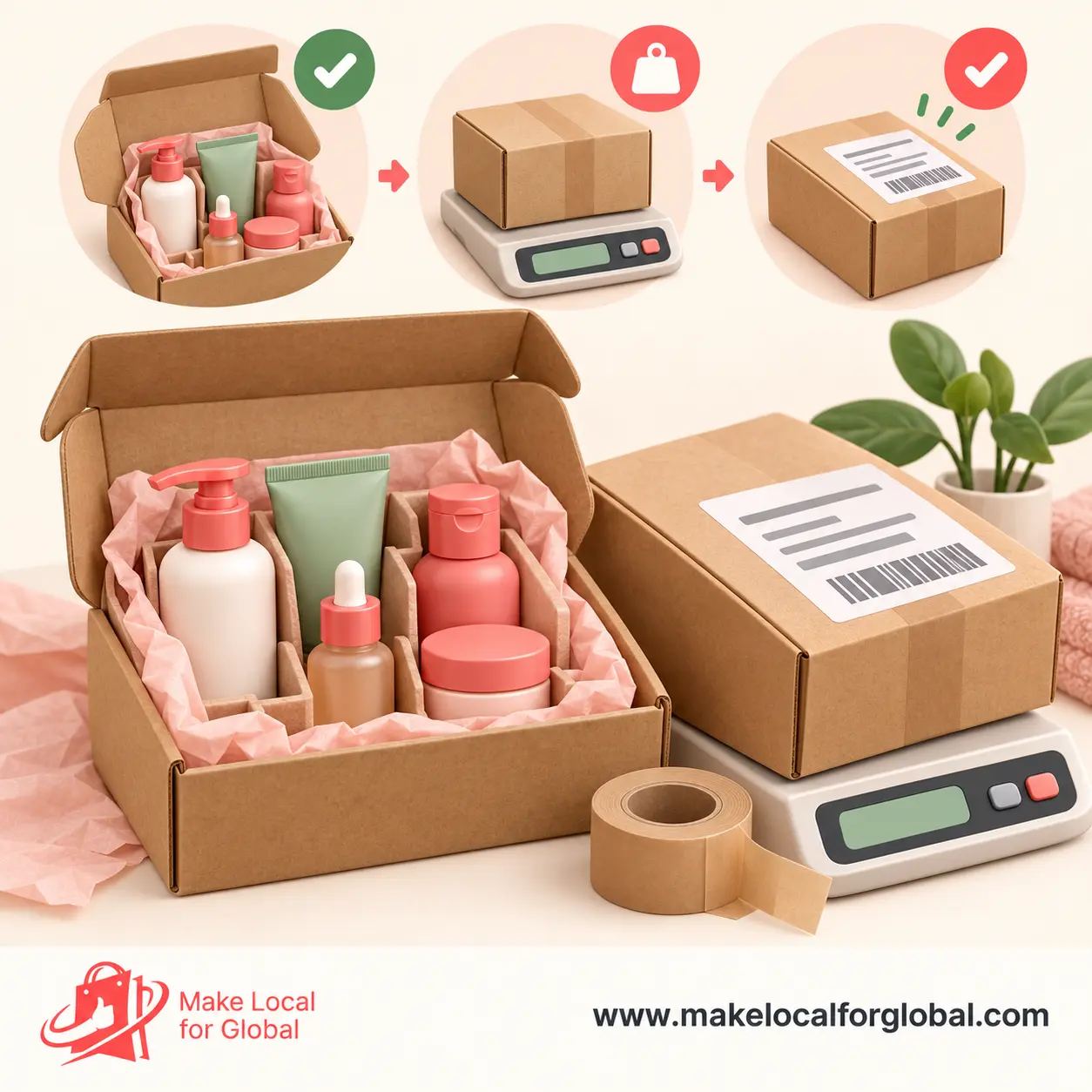
Build and weigh a complete sample parcel before you publish a delivery charge. Keep liquids upright, separate containers so they cannot strike one another, add protection around caps and pumps, then close the box and test it with a gentle shake. Record the packed dimensions and weight for the courier quote.
Some beauty products have carrier restrictions. Perfume, aerosols and nail polish may need a restricted service or may not be accepted on a route. Check the current Royal Mail prohibited and restricted items list or the rules for your chosen carrier and destination before you promise dispatch.
Record each product’s batch and applicable use-by information when stock arrives. Store it as the supplier directs and pick older suitable stock first. Keep the kit bill of materials, product batches and the orders packed from each batch together, so you can identify what went into a kit if a supplier raises a product issue.
Use four weeks to test the buyer, bundle and page before placing a larger order. Track questions, visits, add-to-basket activity, orders, dispatch time, damage reports, returns and contribution by kit. One small test gives you clearer next steps than guessing from a large catalogue.
For related product ideas, read MLFG’s pieces on body lotion and selling beauty products online. The wider Product To Sell collection has more examples of choosing and costing a first range.
You can sell a curated bundle, but keep each product in its original labelled packaging and check each item’s compliance, supply record and marketing permissions. Only say a brand made or endorsed your kit when it has agreed.
Your role depends on how each cosmetic was made available, imported and labelled. Ask the supplier who the Responsible Person is for each product and check the current rules for Great Britain or Northern Ireland. Selling under your own brand or importing can change your duties.
A secondary gift box can present the original products together. Keep the original labels and instructions readable, and check the rules that apply before changing a product’s container, label or name.
Start with two to four items that serve one buyer and one purpose. Add another item only when it helps the kit, fits the supplier instructions and still leaves room for a workable price and parcel.
Add the cost of every product, box, inbound freight, postage, payment fee, returns allowance and customer acquisition test. Subtract that total from the selling price to find contribution before overheads and tax, then compare the result with your own business needs.
Ready to test a first beauty kit?
Plan the range, product pages and next steps for your ecommerce shop with practical support from MLFG.
PREFERRED SOURCE
Like what you’re reading? Add Make Local for Global as a preferred source on Google to see more of our articles when you search.

Build your online presence without having to figure out everything yourself.